As a fourth generation American of one hundred percent Scandinavian descent, it was only natural that I was interested in getting to know more about rune stones once they were brought to my attention. The ancient runestones were upright stones with inscriptions on them. Most of them are found in Scandinavia and date back to the Viking Age, which was roughly 800-1100 CE. They were often erected as memorials to the dead.
The rune stones used for divination or fortune telling are much smaller than their Nordic ancestors and only contain a single alphabetic symbol. There were originally twenty-four of them in a set, although a twenty-fifth, the blank stone, or Wyrd, which I drew at the beach party with Ruth, has been added in modern times.
When Ruth asked me to draw a stone, her message was related to healing, so after getting my own set of stones, I purchased two books, the first being a secular interpretation of the stones, The Nordic Book of Runes by Johnathan Dee, and the second, the one Ruth was reading from, The Healing Runes, by Ralph H. Blum and Susan Longham.
The assignment I’d given myself for the trip was to draw one rune a day, find an interesting place to photograph it, preferably a ruin, and then study up on both sets of interpretations, hoping to come up with my own feeling for the stones by the end of the journey. Given all the traveling I’ve done, as well as my ability to conjure up songs and poems out of thin air, I suspected that I might possess the intuition to begin to offer my own interpretations.
Didn’t Nordic traditions run in the family? Fifty-five years of supporting the Minnesota Vikings could not have been in vain, although it usually felt like it. These were my people. These were my stones.
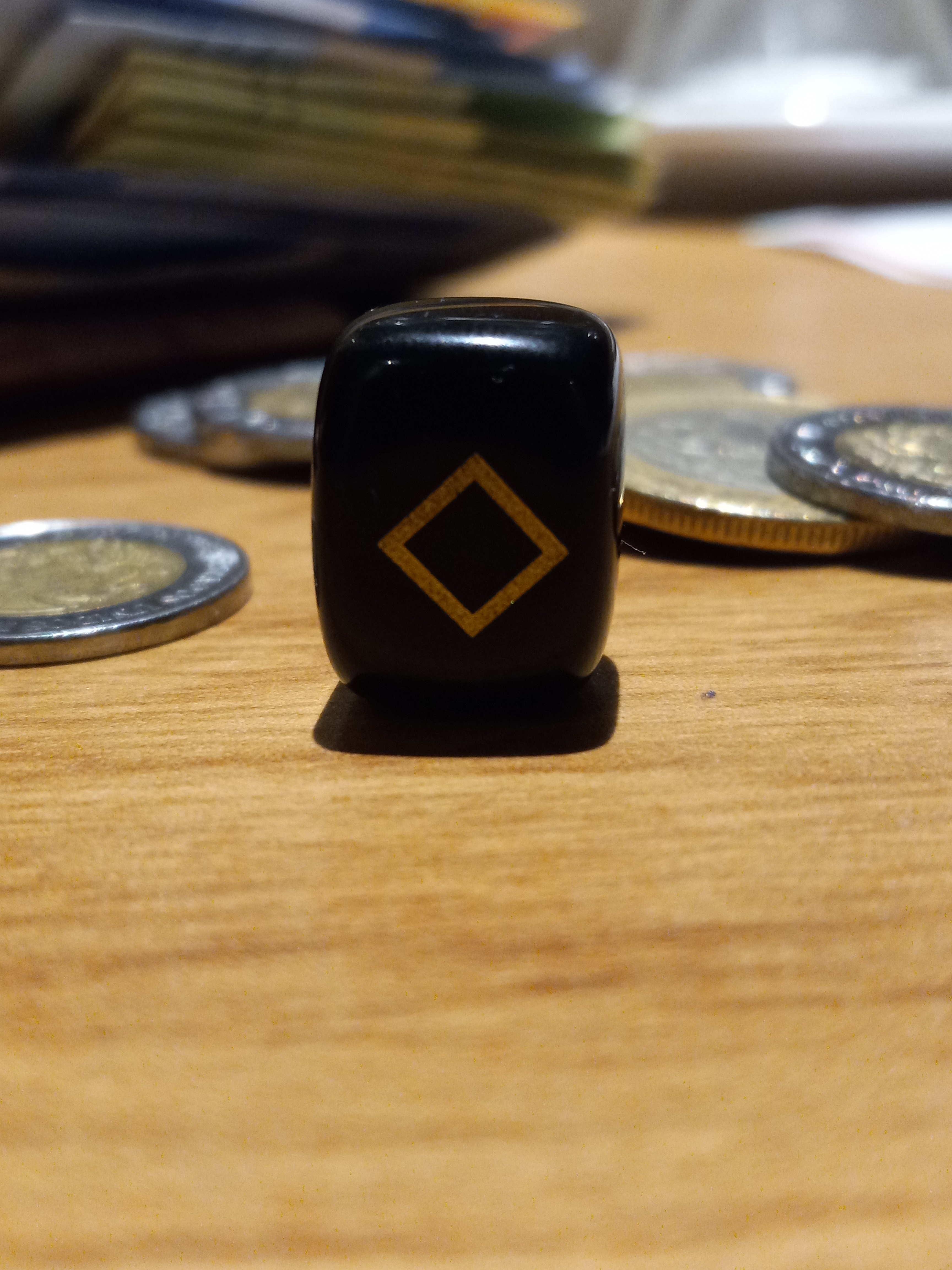
The first rune that I drew from the bag of twenty-five was Inguz. Two arrows intersect to create the diamond at the center of it. According to Dee, Inguz is the ruin of potential, one of health, well-being, and fertility for men. It is the stone of new beginnings and projects, and signifies that energy is available. It can be seen as good news for those seeking new situations or jobs. It may also mean that one phase of life is drawing to an end. Although this may be the cause of some anxiety, what is coming next will make up for that which is lost. If you are having a serious problem, the solution may be close at hand.
Blum, in his book on healing, sees Inguz as relating to matters of faith. One should renew their commitment to the spiritual life and dedicate their life to a higher purpose. Faith, the ability to believe that things will work out for the best, is always a gift. You either have it or you don’t. Jesus said all it takes is faith the size of a mustard seed to move mountains. Without faith, no new enterprise is going to succeed.
How did this relate to the new season of life I’d entered following the pandemic, as well as the trip I’d just embarked on. I took it as a good sign that a new beginning was taking place. I’d gotten so sick of my old life there were days I’d found it difficult to get out of bed. As far as faith, what I’d really believed for most of my life, was that if anything bad could happen then it would. That may be a way of bracing for disappointment, but it not a good expectation for those looking to make a change.
So far, I’d found the roundtrip ticket to Mexico City at the last moment, and still made my flight despite some adversity. I needed to believe that good things would happen as a result of the trip. If there was a diamond in the rough, I’d need to search hard if I wanted to bring it home. The project that I’d assigned myself was a formidable one.
 Haunted Rock