Even though Hawaii is full of homeless people, there were still less of them in Waikiki than there’d been in 2012 when I’d lived there. They’d passed laws from people sitting and lying around on the ground. I knew that. Then I learned that everything had been locked down so tightly during COVID that no one had been allowed in the park. There was a five thousand dollar fine for being caught there. That put things into perspective. Hawaii was only now beginning to relax the regulations. It had been a hassle to fly over.
Looking on the internet, I found a flight to Guatemala City that was leaving from Los Angeles the same day I got back. It was just over two hundred dollars for a roundtrip ticket, so I went ahead and booked it. I was not ready to show up at my mother’s so soon and start riding my bike around Huntington Beach again.
I had just enough money to pull off three or four months in Central America. That would give me time to sort through my collected works and look for a job that started in the summer. If I couldn’t achieve things, I could at least avoid them. Some of my happiest days had been spent avoiding what everyone else referred to as reality.
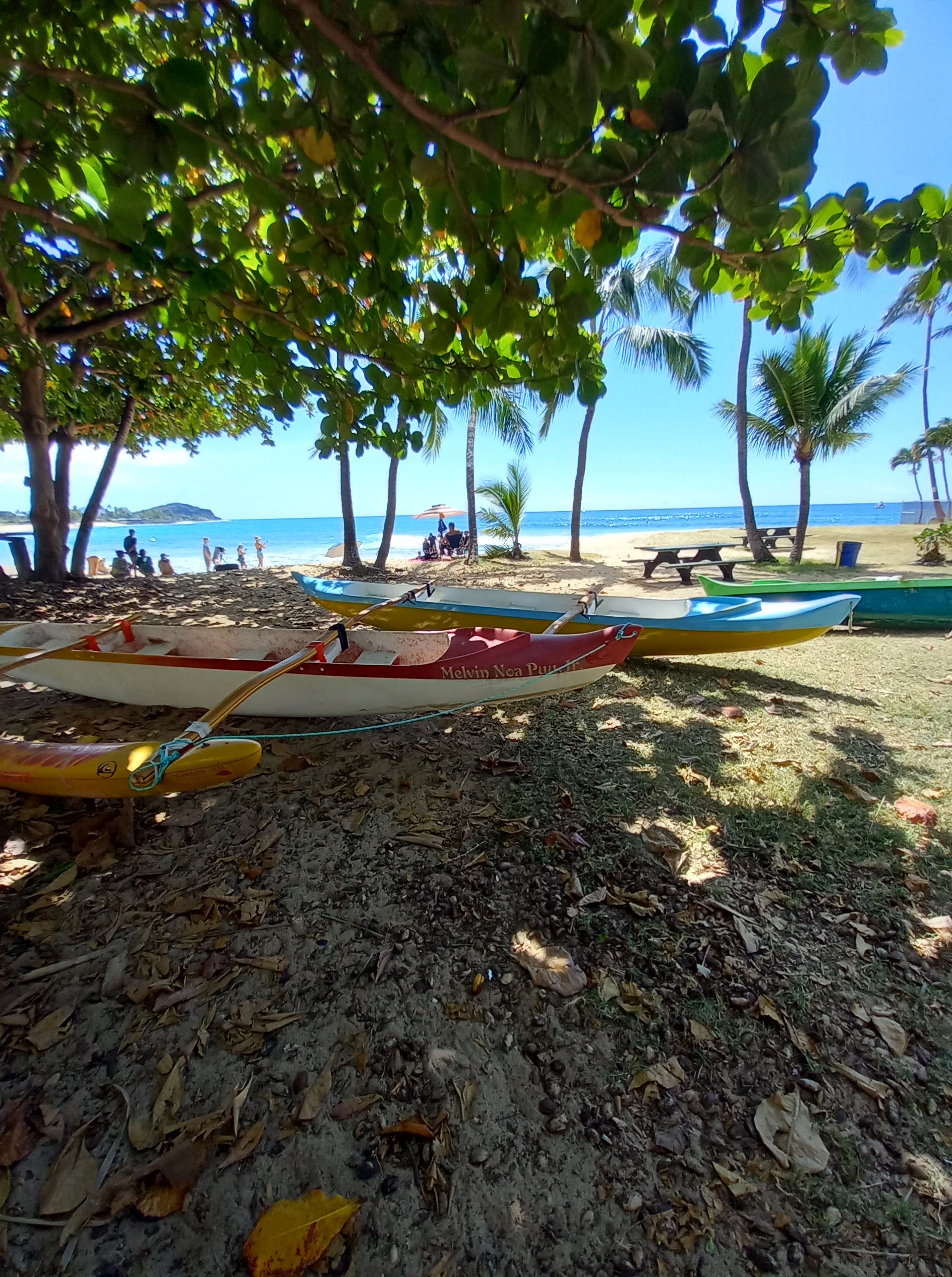
That day I was heading out to Mahaka on the west side of the island. It has the highest concentration of Native Hawaiians and also a high rate of homelessness. I’d been out there before and seen big tent cities on the beach. I’d lately been reading about attempts to create a permanent homeless for residents of a big homeless settlement at the Waianae Boat Harbor. There were apparently two hundred and fifty people living in it.
With all the open land in America it makes sense to me that they could create reservations for homeless people, where they could at least get the basic necessities. Allowing citizens to sleep on the street and forage garbage cans for food is a sure sign that a society is on the wrong path and that dark days lie ahead. For someone who has spent his life hopping and jumping from place to place it sure would be a relief to know that I had somewhere to go to when I grow old. I’ve just had bad luck. It can happen to anyone.
It took two hours to get to Makaha on the number 2 bus. I got off at the end of the line and walked back to a beach that said the Makaha Surf Club. There was a sign specifying it was for locals only. As I walked up with my ukelele I heard someone comment about the haole boy. I could’ve been back in elementary school again, a shy, white child among the natives. There was a picnic table that I sat down and started to play on. For some reason, I wasn’t feeling the vibe. The strings seemed too loose and were buzzing on the neck. I moved locations a few times, but never once got comfortable.
When the return bus showed up, I went and got back on it, only having spent an hour or two in Makaha. It only traveled about two miles before the driver pulled over for a half hour lunch break. When we started up again, I was riding on the side of the bus that faced the sea. I could see all of the tents and encampments wedged into the bluffs.
When I got back to the hostel, there was a guy moving into the bunk above me. He was from Ohio, but claimed to have spent a lot of time in Honolulu. Now he was testing the waters again to see what it would be like to try to live there. The problem was the cost of living. Many people need to work two or three jobs to afford living in Hawaii. They say that’s the price of living in paradise. I say if that’s the price, then it isn’t paradise. Guatemala was starting to sound like the Garden of Eden.
 Haunted Rock