All posts by Haunted Rock

These are songs, poems and images from a life on the road. Enjoy your stay and safe travels.

setting the stones 2

By the time I made it through security at the George Bush Intercontinental Airport in Houston, my flight to Mexico City was already boarding.  My feet were so swollen it was a wonder they still fit in my shoes.  There was no time to grab a snack.  I was one of the last to arrive at the gate.  My flight was in the very last row. 

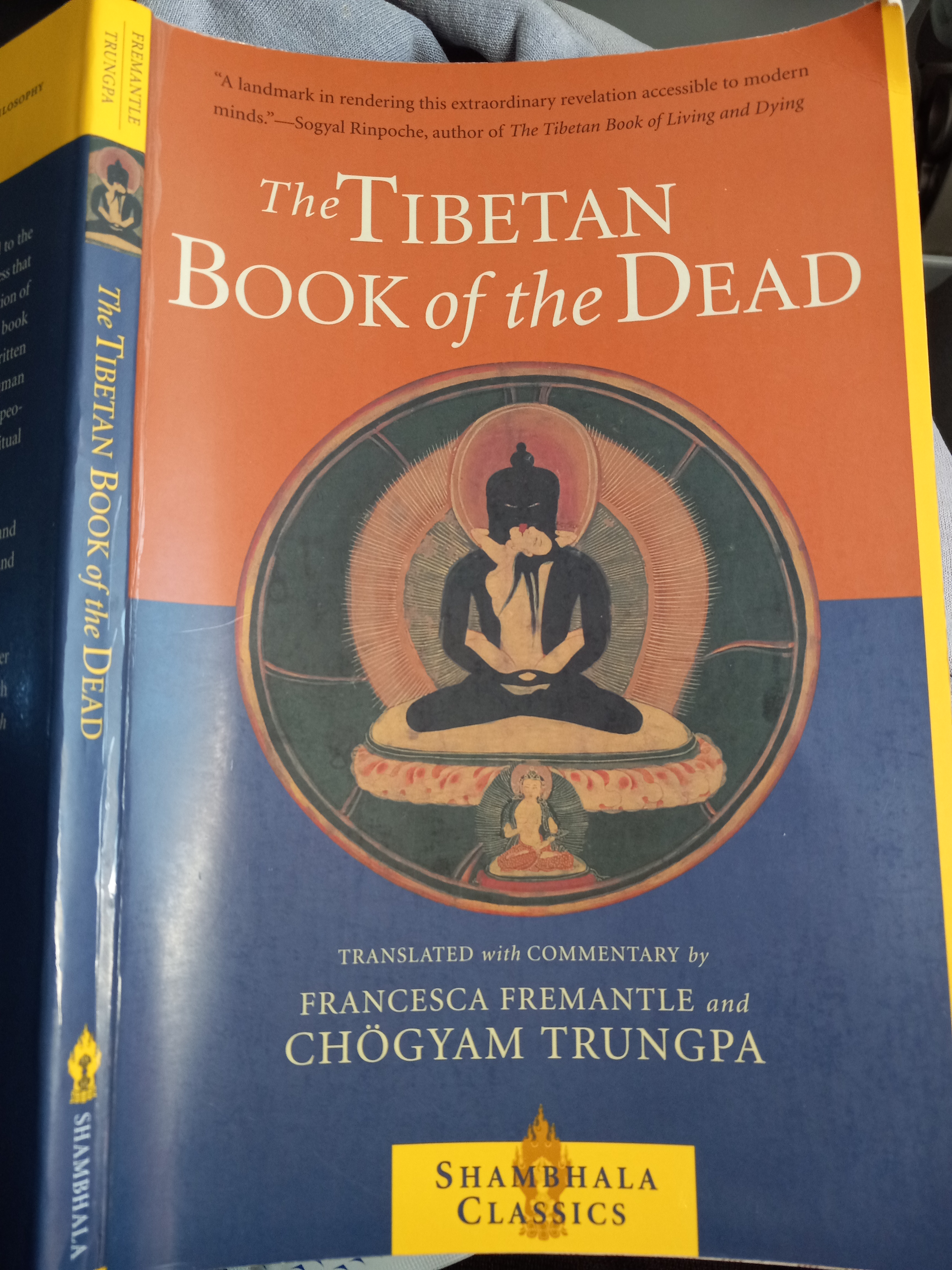
Since my seat was in the aisle, I had nothing to distract me from trying harder to crack the Tibetan Book of the Dead for the next two hours.  I was just looking to get a basic grasp on it, but even that proved elusive.  What I already knew was that it is a text that is read aloud over the body of a person who has recently deceased.  There are forty-nine days that the soul of this person travels, in search of their next incarnation.  The text is meant to be a comfort and guide to them, to help explain to them what they are experiencing and lead them in the best possible direction.

A bardo is an interval or suspension, like the intermission in a long movie or play, where we have finished the last scene and are still waiting for the next to commence.  There is a moment of intense uncertainty and fear right before death, where the person may wonder if they are going insane.  They are beginning to transition from one realm that they are familiar with, to another that is strange to them. 

The elements begin to dissolve.  Earth yields to water, water yields to fire, fire yields to air, air yields to space, and space yields to the central nadi, or void, which is the origin of all substance. At some point, the person who is dying cannot struggle any more.  They enter into a luminosity where pain and pleasure are experienced at the same time.  They may feel like they are freezing in ice water and boiling in hot water at the same time.

The Tibetans believe that there are six realms of existence.  The realm of hell is one of paranoia and terror.  The story is told of a hermit who takes a bite out of a leg of lamb and finds that a chunk is taken out of his own leg.  Those who dwell in this realm may be attacking and haunting themselves.  The next realm is that of the hungry ghosts.  These are characterized by creatures with enormous stomachs and thin necks.  They can never get enough.  The joy of possessing never lasts so they are constantly craving, constantly seeking.

The third realm is that of the animals.  In this realm anything unpredictable is regarded as a threat.  There is no humor or irony in any situation.  One only does what they’ve been programmed to do.  Common sense rules forever.  The fourth realm, that of the humans, is marked by passion and exploration.  There is also much suspicion as humans are cunning, most often looking out for their own interests.  We make many discoveries, but even those are impermanent.  Most of our questions go unanswered.

The realm of the jealous gods is the fifth realm.  It is the highest realm of communication and intelligence, but also one of paranoia.  Too much attention is paid to every object, right down to the smallest detail.  It is said to be a realm of intrigue, and requires much diplomacy to navigate.  The highest realm would be that of the gods, one of perpetual absorption and peace.  This is a state of samadhi, the highest state of mental concentration possible while still bonded to a form.  Although aligned with the highest state of reality, the individuality of the gods still keeps them separate from it.  Even the realm of the gods is temporary, as all creatures must eventually be reborn.

A soul that is traveling is met with many peaceful and wrathful divinities along the way.  These are all inner projections of things that they have experienced in their life.  They must pray to all the buddhas and bodhisattvas, or enlightened ones, for compassion and direction.  The goal is to attain nirvana, free from the cycle of death and rebirth, where there is no longer any suffering, desire, or sense of self that separates them from the highest reality. 

Around the time of rebirth, the traveling soul will encounter lights.  A soft white light is the realm of the gods.  A soft red one is that of the jealous gods.  Soft blue signifies the realm of the humans.  Soft green is that of the animals.  Soft yellow would be that of the hungry ghosts.  A soft smoky light would be the realm of hell.  The light that you enter into will be your next incarnation. 

Above all, it is better not to be reborn at all.  Either way, you must accept what is happening to you.  It can be improved upon, but not changed, without the prayers of those supporting you on your journey and the compassion of the Buddha.

At that moment, the plane began to descend.  Although I couldn’t see it, Mexico City lay sprawled beneath the window like a corpse on a table.  What would the day bring once I stepped outside the plane?  The bardo was lifting.  A new journey was set to begin.
setting the stones 3

It seemed impossible that my feet would be as swollen as they were after only five hours of flying.  All ten toenails felt like they were ingrown, gouging into my toes, as I shuffled from my seat in the last row towards the front of the plane. 

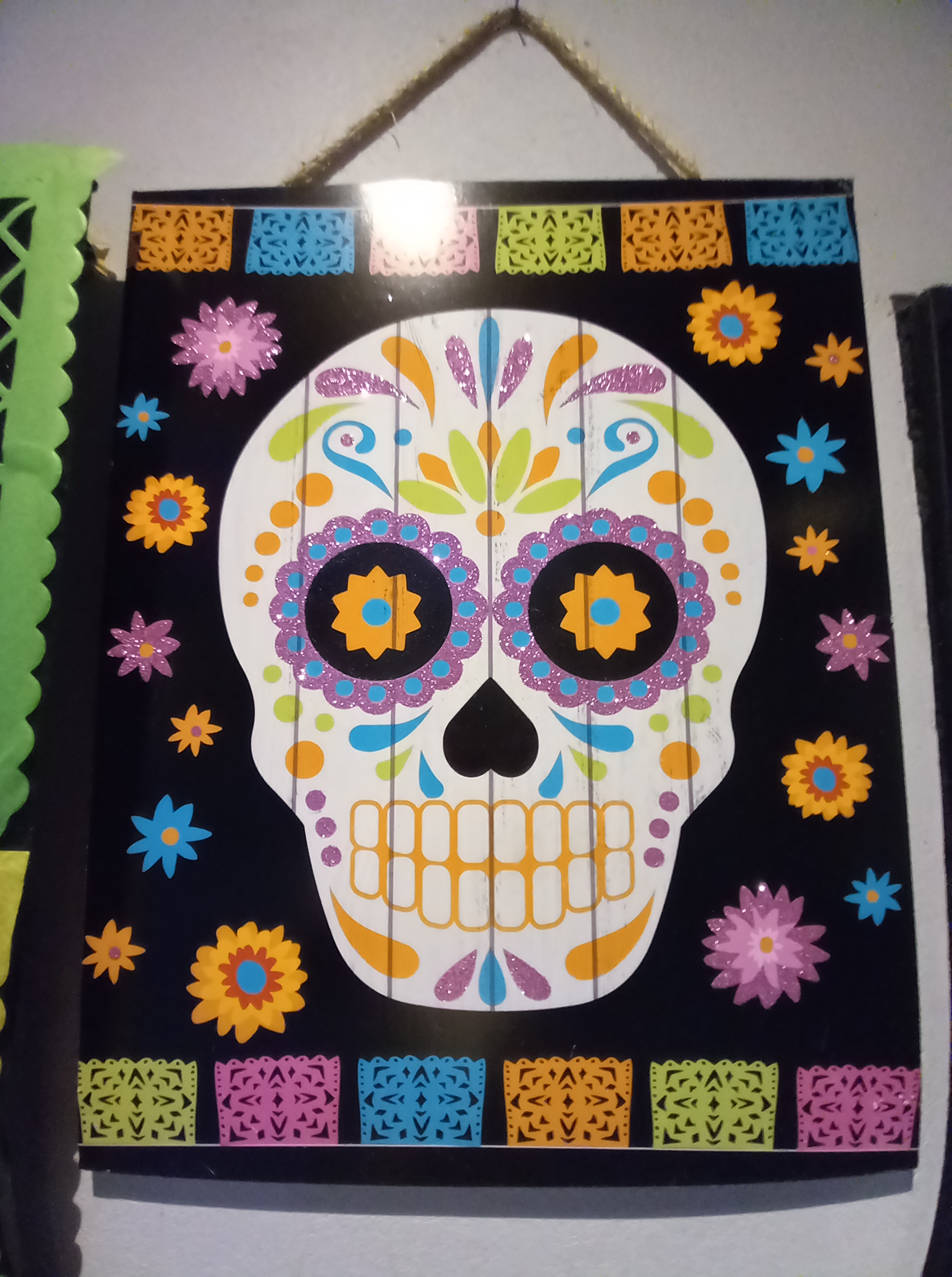
As soon as I stepped into the terminal, I was greeted by a large ofrenda for Day of the Dead, yellow marigolds in pots, leading to a stairway adorned with baskets of fruit and white skulls.  Inside a ring of the same flowers, a skeleton dancer held out her red and blue hoop dress with bony fingers.  Alongside her, another skeleton with jewels around her eye sockets, clutched the empty spot in her chest where a heart had once beaten.

The walk down to immigration seemed eternal and I cursed with every step.  Then I went to change some money and got ripped off from the get go, sixteen pesos to the dollar instead of twenty.  That is always to be expected the first day of any trip. 

The girl at the first taxi stand I went to claimed that the address that I gave her was incomplete.  The one at the second stand Googled it and said it would be two hundred and seventy-five pesos to get to the Hotel Marti in the Escandon neighborhood.  It was south of the center of town, but within walking distance of the Metro, and with the price of hotels that week, I’d been lucky to find it.

Among the most memorable experiences of my life, have been those driving into strange, foreign cities for the first time.  This was hardly my first time in Mexico City, but all of the suspense was still there.  You need to be careful not to react too suddenly.  A very shabby, downtrodden neighborhood can quicky give way to a more upscale one, and vise-versa.  The neighborhood I was staying in appeared to be safe and clean, with restaurants and a few, small theaters.  The room was certainly acceptable, with TV, wifi, and a large, oscillating fan to block out the noise from the street.

There was an ofrenda in the lobby, three tables with pictures of the proprietor’s relatives, alongside ceramic skulls, plates of food, and a few bottles of alcohol.  Marigolds stood at the side and colorful banners hung above it.  It was not my first time at Day of the Dead in Mexico City.  I’d been down in 2016, but had missed the parade by one day, something I’d never gotten over. 

Funny story about the Day of the Dead parade.  The idea for having one came from the James Bond film Spectre, where a fictional parade is featured in the opening sequence, one of the rare cases of life imitating art.  By now it was a big deal, but the year before it had been cancelled because of COVID.  As long as that didn’t happen and my feet held up, it looked like I’d have plenty of time to walk down to Avenida de la Reforma before it began and pick out some perch to watch it from.

One of the first things I needed to do after checking into my room was draw a rune from the bag of runes I’d brought along.  I’d been introduced to the runes by a woman at a Halloween beach party the year before who’d been dressed as a fortune teller.  Ruth had invited me into her tent and told me to draw one stone.  The stone I’d picked had been Wyrd, or the blank one.  She’d told me it signified destiny or the working of God, and was the best one I could’ve drawn. 

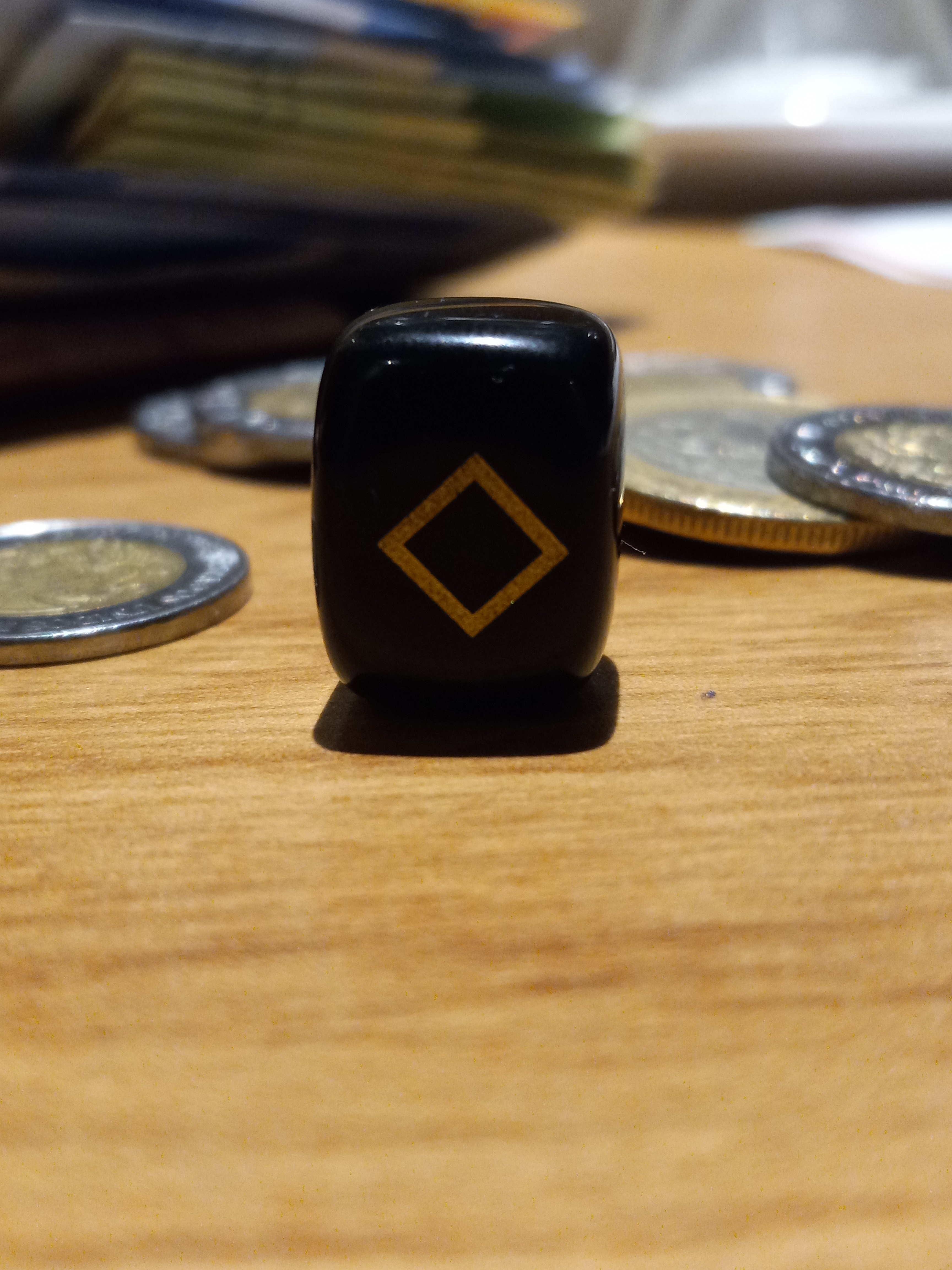
Now the stone I drew, the first of the trip, was Inguz, or the rune of potential.  I set it on the dresser, among some pesos, and took its picture.  That was the plan for the trip, to learn about the runes by drawing and photographing a new one every day.  After Day of the Dead, my idea was to visit a series of Aztec and Mayan ruins, so in essence I would be taking the runes to the ruins.

By the time I headed out to find something to eat, all that was open was a convenience store.  I got a sandwich and some cookies and took them back to the room.  There was a telenovela playing in the background as I doublechecked the parade route for the next day.  After a while, I shut the TV off and laid back in the darkness.  It was already some kind of party.  My feet were pounding like drums.

setting the stones 4

As a fourth generation American of one hundred percent Scandinavian descent, it was only natural that I was interested in getting to know more about rune stones once they were brought to my attention.  The ancient runestones were upright stones with inscriptions on them.  Most of them are found in Scandinavia and date back to the Viking Age, which was roughly 800-1100 CE.  They were often erected as memorials to the dead.

The rune stones used for divination or fortune telling are much smaller than their Nordic ancestors and only contain a single alphabetic symbol.  There were originally twenty-four of them in a set, although a twenty-fifth, the blank stone, or Wyrd, which I drew at the beach party with Ruth, has been added in modern times. 

When Ruth asked me to draw a stone, her message was related to healing, so after getting my own set of stones, I purchased two books, the first being a secular interpretation of the stones, The Nordic Book of Runes by Johnathan Dee, and the second, the one Ruth was reading from, The Healing Runes, by Ralph H. Blum and Susan Longham.

The assignment I’d given myself for the trip was to draw one rune a day, find an interesting place to photograph it, preferably a ruin, and then study up on both sets of interpretations, hoping to come up with my own feeling for the stones by the end of the journey.  Given all the traveling I’ve done, as well as my ability to conjure up songs and poems out of thin air, I suspected that I might possess the intuition to begin to offer my own interpretations. 

Didn’t Nordic traditions run in the family?  Fifty-five years of supporting the Minnesota Vikings could not have been in vain, although it usually felt like it.  These were my people.  These were my stones.

The first rune that I drew from the bag of twenty-five was Inguz.  Two arrows intersect to create the diamond at the center of it.  According to Dee, Inguz is the ruin of potential, one of health, well-being, and fertility for men.  It is the stone of new beginnings and projects, and signifies that energy is available.  It can be seen as good news for those seeking new situations or jobs.  It may also mean that one phase of life is drawing to an end.  Although this may be the cause of some anxiety, what is coming next will make up for that which is lost.  If you are having a serious problem, the solution may be close at hand.

Blum, in his book on healing, sees Inguz as relating to matters of faith.  One should renew their commitment to the spiritual life and dedicate their life to a higher purpose.  Faith, the ability to believe that things will work out for the best, is always a gift.  You either have it or you don’t.  Jesus said all it takes is faith the size of a mustard seed to move mountains.  Without faith, no new enterprise is going to succeed. 

How did this relate to the new season of life I’d entered following the pandemic, as well as the trip I’d just embarked on.  I took it as a good sign that a new beginning was taking place.  I’d gotten so sick of my old life there were days I’d found it difficult to get out of bed.  As far as faith, what I’d really believed for most of my life, was that if anything bad could happen then it would.  That may be a way of bracing for disappointment, but it not a good expectation for those looking to make a change. 

So far, I’d found the roundtrip ticket to Mexico City at the last moment, and still made my flight despite some adversity.  I needed to believe that good things would happen as a result of the trip.  If there was a diamond in the rough, I’d need to search hard if I wanted to bring it home.  The project that I’d assigned myself was a formidable one.

setting the stones 5

The Day of the Dead parade was also Halloween.  Although originally associated with the church, All Hallow’s Eve, All Saints Day, and All Souls Day, have become unique celebrations in Mexico, not only of death but of life.  In addition to remembering loved ones who have passed on and visiting cemeteries, it is also an occasion to dress up and hit the streets. 

This year the festivities would be starting with a bang.  Although the parade didn’t start until noon, I was up at sunrise planning the day.  It was almost four miles to walk there.  My feet still hurt from the flight, but they didn’t have a say.  They were taking me to the parade.

To get to the Angel of Independence Monument, where the revelers would be gathering, I walked to Avenida de Insurgentes Sur and headed north.  My phone didn’t work and I didn’t have a map.  I hoped I’d come across a crowd when I got close enough.  There were signs of the holiday in every window I looked into. 

A coffee shop I stopped at had four figures spread out inside, a skeleton in a top hat and blue suit jacket, another in a lacy white dress, with marigolds tucked in her hat, a third was in native clothes, her face painted to look like a candy skull, and there was a third woman, this one with a feathered hat and boa around her neck. 

The graffiti outside the shop was just as freakish, a wolf with a burning third eye, a scorpion fish with a human body, sitting by a stream playing guitar, a heart crying blue tears, Icarus falling from the sky, a mask slipping off to reveal an ancient face of jewel.  There were copies of classical statues on the street, one of Venus de Menos, a poster for an upcoming Lucha Libre match that showed two masked wrestlers colliding in mid-air.

When I got close to the Paseo de Reforma I followed a family carrying folding chairs to the parade site.  I was three hours early.  Almost no one was there.  There was a photo exhibit of ordinary people, going about their daily business, with their faces painted to look like skulls.  I found this to be fascinatingly well-done and poignant.  There was a nurse, pilot, ballet dancer, boatman, paramedic, gravedigger, a baker, a secretary, a rock band, a priest, all transformed with black and white paint into creatures of the dead, yet continuing to go about their business as if nothing had changed.

Wandering on from there, I bought a silver half a skull mask that fit over my mouth and nose.  It didn’t look as good as I’d hoped, but still made me feel like a participant in the festivities, as opposed to just a spectator.  I walked all over the place, my toes painfully throbbing in my shoes and never staked out a place to sit.  Now people were beginning to arrive.  The curb and sidewalk were getting crowed. 

There were huge painted skulls on nearly every corner and another exhibition at the entrance of Chapultepec Park, this one with images of Day of the Dead from all over Mexico.  This featured skeleton dogs, two skeletons on bikes, and a statue of the Mayan snake goddess Coatlicue, surrounded by orange magnolias.

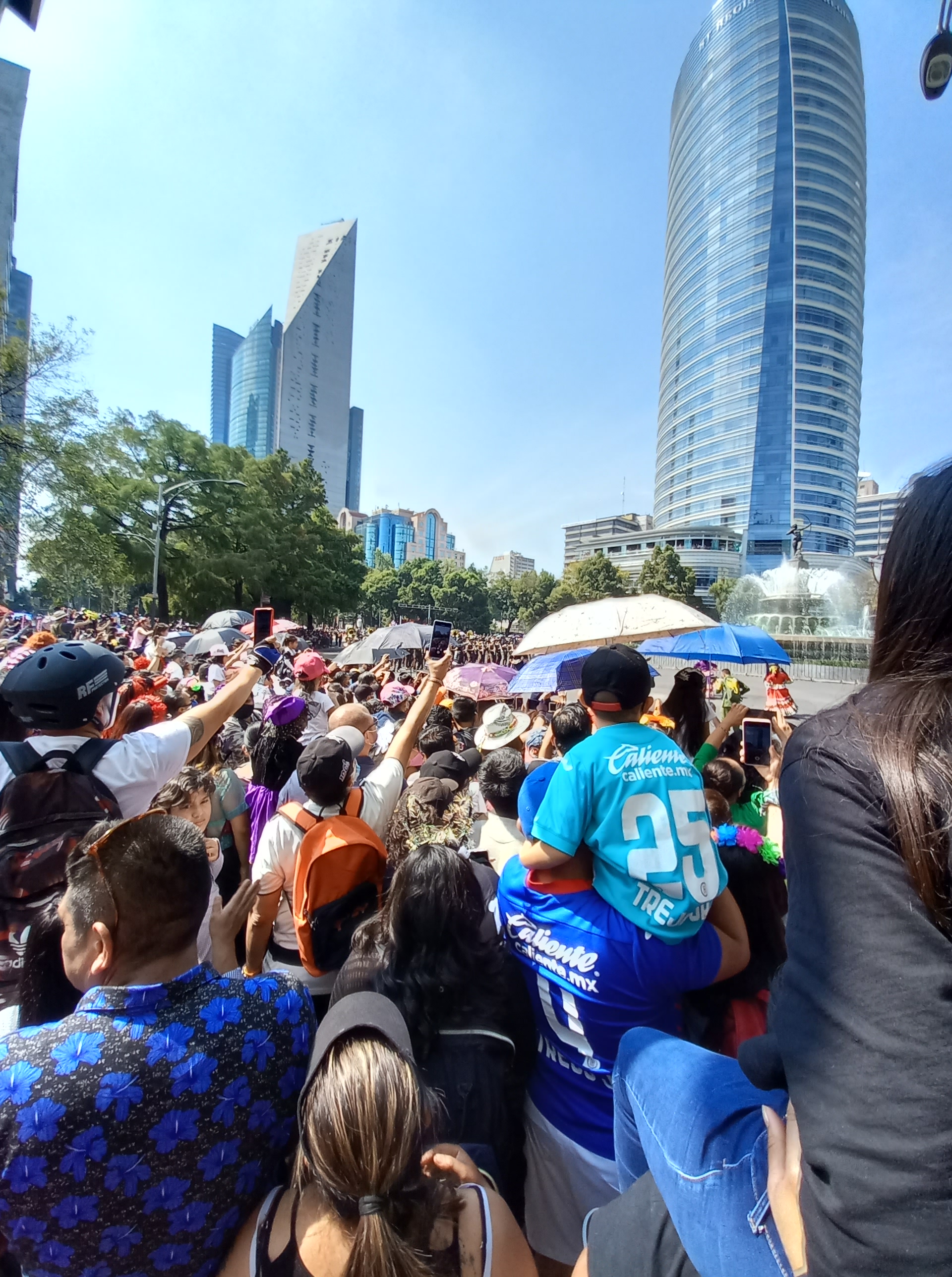
An hour before the parade got started, my feet already hurt almost too much to stand.  Now there was no place to see it from the sidewalk.  The crowd was fifteen to twenty feet deep.  People who knew better had brought stools and ladders to stand on.  Many people were using umbrellas to protect them from the sun.  The most intrepid of them were standing on the tops of the ladders, using the umbrellas at the same time. 

Most of the men had children on their shoulders.  The toughest of the lot had his wife on his shoulders and their kid was on her shoulders.  Triple-decker.  Everyone looked down the street in the direction that the parade was supposed to come.  There were more people waiting for the parade then all who have ever waited for the return of Christ.  After a while it began to feel like one big hoax.  Was there even a parade at all?  I was dizzy in my silver skull musk, my feet splitting open in my shoes like microwaved sausages.

Then there was the sound of a band, some military members coming around the Angel of Independence Monument.  I went over and stood on my tiptoes on the root of a tree, right beneath a miniature Zachaeus in a ghost mask.  There were some children carrying a sign.  I couldn’t read what it said.  There was more to see in the crowd then there was in the parade, scary characters dressed for Halloween, out posing for pictures with families.  A trio of zombie ghosts sat on a bench.  Next to them stood the sadistic clown from the movie It.

Everyone who had a phone was holding it up to take pictures.  What I ended up with was pictures of people taking pictures.  All I could see of the parade was a few heads here and there and the tops of some of the tallest floats.  There was a leaping dog, a tribe of hummingbird people, devil women who were waving, a skeleton in a black sombrero.

How did they fit into the procession?  What story were they trying to tell?  I had no idea, and suddenly that seemed astonishingly great.  What a total fiasco.

I got a few tamales and found a shadow on the sidewalk to sit and eat in.  They were Day of the Dead tamales, only the skeletons of chickens inside.  Then I got up and tried to walk back in the direction of the hotel, but went the opposite way.  At a park there was a folk band and an ofrenda that was set up in memory of the many citizens who’d gone missing over the years, often under shady circumstances.  My toes were so jammed up in the end of my shoes that I wanted to scream, and now, somehow, I’d gotten lost when all I needed to do was follow Avenida de Insurgentes back in the direction I’d come.

Before long I came to a Metro Station.  A policeman there said it would be easier to take the train back to my hotel than to walk there.  Seeing that the parade had just ended, the mobs waiting for the trains were insane.  The last time I’d been in Mexico City, I’d been pushed and fallen with three or four other men when the train had rounded a bend, and when I’d righted myself, my phone had gone missing. 

That wouldn’t happen this time.  I kept one hand in my pocket, holding onto my phone, and glared around the packed car, mad-dogging everyone from behind my silver death mask.  Who would even dare?  Didn’t they know I was loco in the coco.  Actually, I must have been.  There was no other way to explain it.

setting the stones 6

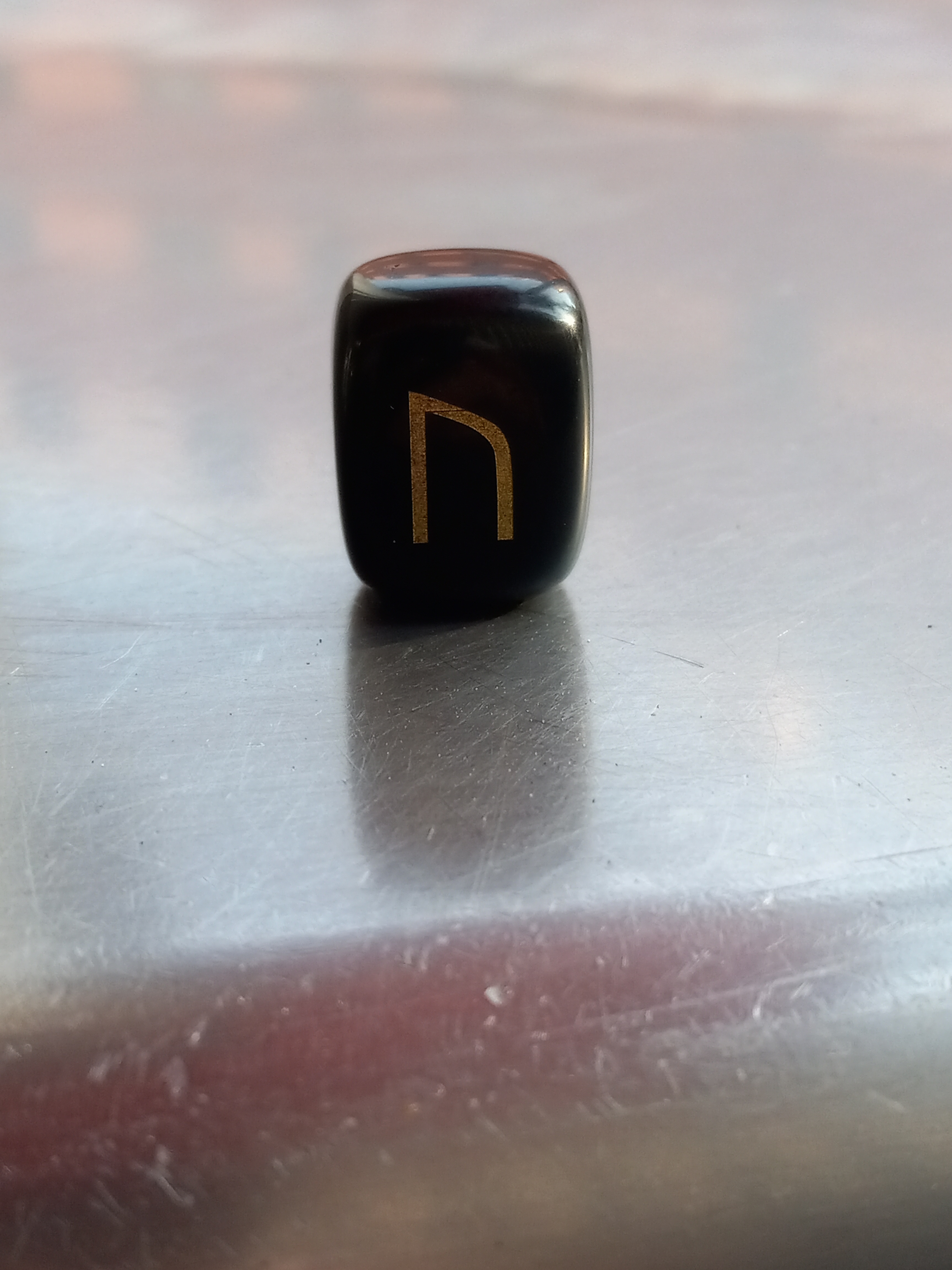
The rune that I picked for that second day of the trip had been Uruz.  It resembles something like an upside-down U.  Worried about losing it in the mob at the parade, I’d just taken it out front of the hotel and photographed it on a table next to a taco stand.  It could’ve been more dramatic than that, but I was just getting started.

Uruz represents an irresistible, untamable power and is symbolized by the great, wild bulls that once roamed Europe.  It belongs to the month of February and represents the Horned Moon.  It is a sign of improved health and vitality, an assurance to those who have been sick and ailing.  It is also a symbol of formidable will and the power to overcome obstacles.  Confidence will be restored, and once this happens things will seem to move along on their own.  It is like starting a snowball rolling, easy to start, very difficult to stop.  For this reason, those who wish for change must be certain of what they want.

When it comes to the healing interpretation, Uruz is aligned with gratitude.  There are blessings every day if you know how to recognize them.  Too often we get caught up in the negative, only reacting to the things that haven’t gone our way.  For most of my life I’d been desperately happy with myself and the situations I’d found myself in, constantly feeling thwarted and unappreciated.  Yet when I looked back on it, I’d been able to achieve most of the things I’d set out to do, even if it sometimes meant waiting for years. 

The parade hadn’t turned out like I’d hoped, but the fact that I’d made it there at all was something to be grateful for.  At least I could check it off the bucket list.  When I came up from the subway I was disoriented, until I recognized the coffee shop across the street where’d I’d stopped in the morning.  Perhaps there was still power in my spirit, but my body was beat.  I was dragging myself down the sidewalk, when my stomach suddenly shifted. A case of Montezuma’s Revenge had viciously gripped my bowels.  It was those Day of the Dead tamales, for sure, acting like arsenic.  Just when I thought I couldn’t walk with a stiffer gait.

When I got back to my neighborhood, I got confused.  My silver death mask was perched on my head and I was wiping the sweat from my face with a black skull bandana I’d picked up at the parade.  I was only blocks from the hotel, but didn’t recognize anything.  There were no restaurants or bars that I could limp into either.  The situation was serious.

By the time I finally reached the hotel, I was walking as if my legs had been tied together.  The steps might be a problem.  I approached them with the deliberation of a chess master.  Then I reached the room and fumbled for the key.  The danger could not have been any greater at that moment.  Usually, it is there in the homestretch that all systems decide to release at once. 

Then I was in the room, tiptoeing towards the bathroom, finally yanking down my sweatpants and leaping backwards towards the toilet, only clearing it by a centimeter.  I sat there in the darkness for a half hour, soaked in sweat, nearly weeping with gratitude.

setting the stones 7

The year before I’d decided to get serious about my Haunted Rock enterprise, and begin to treat it like a business for the first time in my life.  Before all else, however, I’d needed to set my house in order.  On November 1st, the day of my official embarkation, I’d gone down to the Huntington Beach Pier and drawn a circle in the sand beneath it, a feather, a candle, a glass of water, and a flower, to mark the four directions. 

Then I sat in the middle of it and prayed that God’s will be done.  If it was not God’s will that my business should prosper, I could live with that.  What I could no longer do, however, was blame myself for not making money at art.  Who can?  Not many people.  I’d been patching it together all these years and could continue to do so, but really needed more help that what I’d gotten, and had always been afraid to ask for it.  Now I was asking. 

That afternoon I had my sister bring her face paints over and we went down to the drum circle, dressed up to celebrate Day of the Dead.  This year I was in Mexico City for the real thing.  In a funny way, that seemed like progress.

The plan for the day was to head to the Zocalo.  The closest Metro stop was Chilpancingo.  I rode the 9 train to Chabacano and then the 2 north to the Zocalo stop, exiting right in front of the Metropolitan Cathedral.  The whole area around the Plaza de la Constitucion was once the Aztec city of Tenochtitlan, which was conquered in 1521 by the Spanish conquistador, Herman Cortez.  The construction of the cathedral began in 1573, and though it has withstood earthquakes and fires, still looks like it could collapse in on itself given the slightest tremor. 

I entered beneath the Gothic belltowers, and walked past a statue of a woman in a glass case, that of anima sola, or a lost soul in purgatory, praying to be granted safe passage to heaven.  Next, I passed Jesus Christ crawling towards Calvary, weighed down by the cross, a silver crown of thorns pushed over his head, blood gushing from his face and forearms. 

An ofrenda is an altar built to remember those who have passed on.  In Mexico they are often very personal and reflect the personality and passions of the ones they were built to honor.  There was an ofrenda in one corner of the church draped in colored papel picado, or tissue paper cut into interesting and appropriate designs.  On it were a crucifix, candles, plates of fruit, and pictures of departed clergy, including one of Pope John Paul II.  In the courtyard was a statue of him, clutching a staff, his cloak wide open, encompassing the figure of Mary, her hands clasped in prayer.

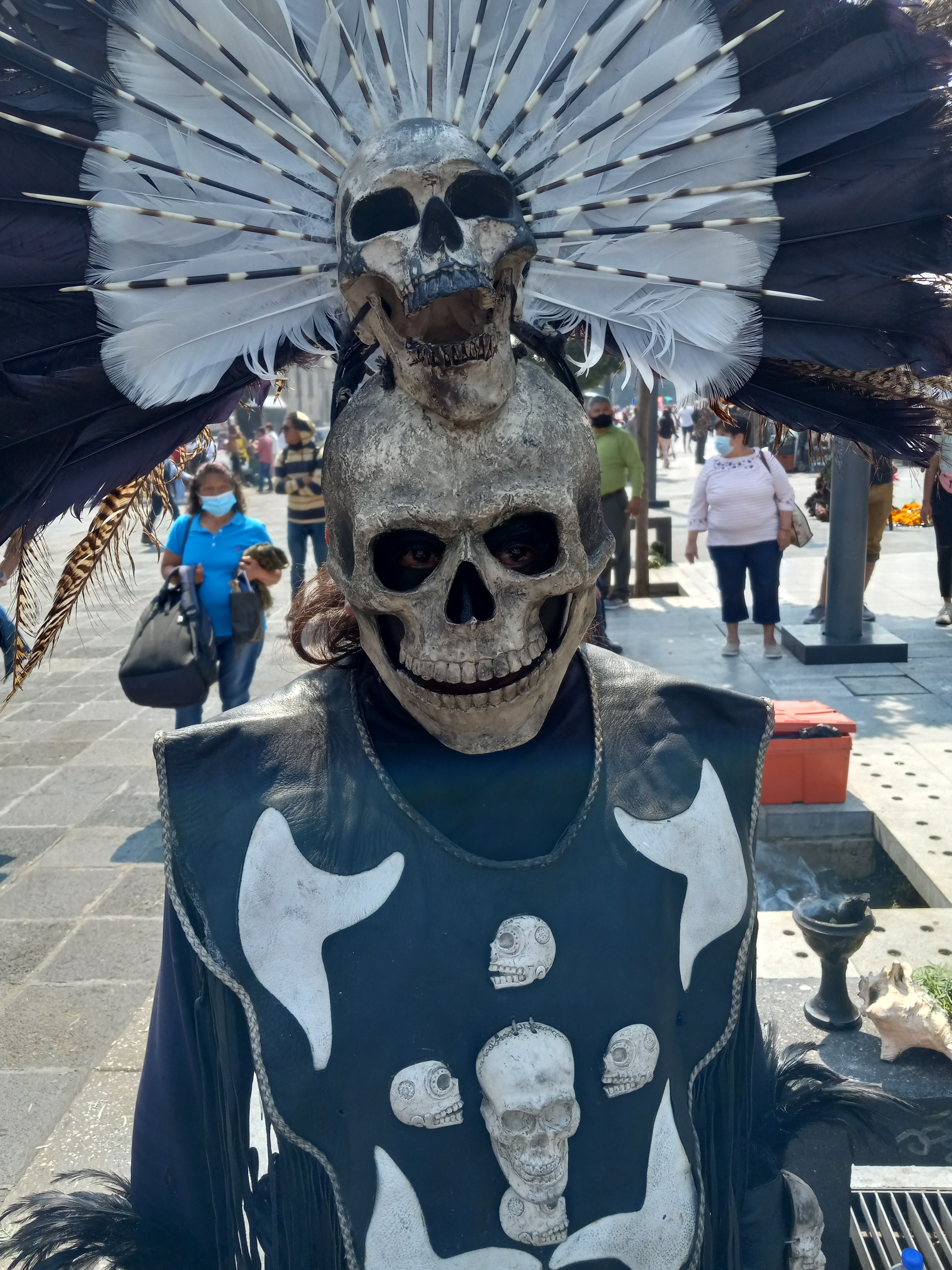
Right outside of the Catedral there were a few tribes of Curanderos, or native healers, some elaborately dressed in Aztec headdresses, rattles on their legs, their faces painted like skulls, dancing, and waving incense in the air.  I approached the most impressive of the lot, dressed in black leather, a second skull perched on his skull mask, brown and black pheasant feathers rising over his head. 

I had some money for him waiting in a clenched fist.  The man removed his mask and blew on a conch shell.  He then took a bundle of sage and smudged me, meaning cleansed me with its smoke.  The mystery of the church, side by side with these indigenous folk healers, create a level of magic that has been sanitized out of existence in America. 

Cheerful skulls, calaveras, were all around, an acceptance that death is part of life, as opposed to something to be feared or hidden away.  The most famous icon of the Day of the Dead, Catrina, the smiling skeleton with her feathered hat and colorful dress, was twenty feet tall, beside a concert stage that was being set up for the day’s performances. 

There were a number of exhibitions in the plaza, one of strange creatures, another of flowered carpets, a third of ofrendas from the different regions of Mexico.  Every doorway I passed by featured its own personalized altar, sometimes filling one or two rooms.  An organ grinder with a death mask smiled at me and held out his hat for a tip.  Gladly, I let him know.  Gladly.  He passed by, his moustache curled on both ends, eerie music piping down the boulevard, a regular circus on wheels.

setting the stones 8

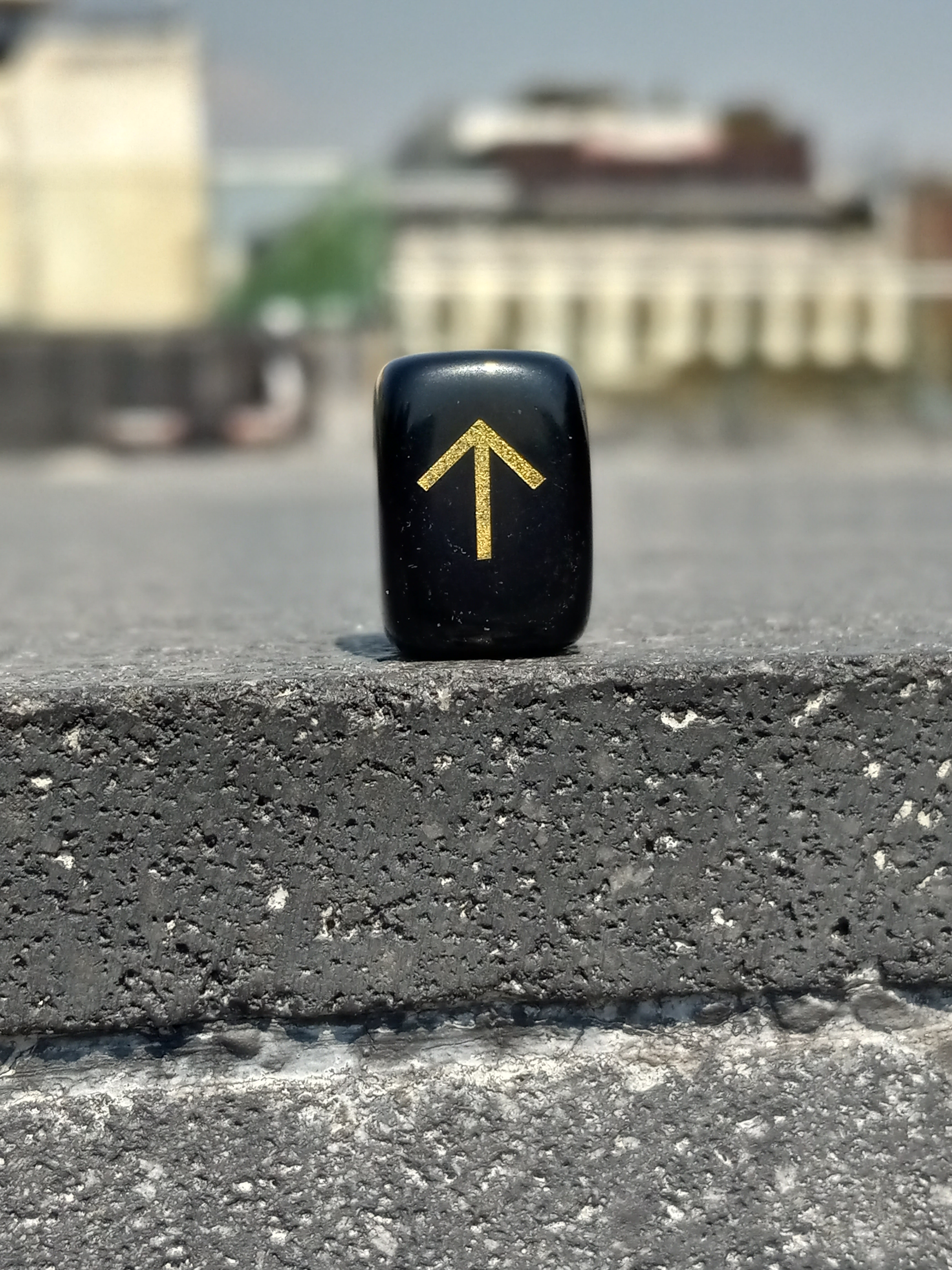
The rune that I had drawn that morning had been Tiwaz, or the rune that symbolizes commitment.  I’d wanted to get an interesting picture of it, so had carried it to the Zocalo with me.  After strolling through the ofrendas in the plaza and passing the Cuanderos once again, I headed over to the Templo Mayor, all that remains of the Great Temple of Tenochtitlan.  The museum was closed but the ruins outside were free to explore.  I set the rune of a stone wall and took its picture in the bright sunlight. 

Tiwaz looks like an arrow pointing up and is related to the Norse god of war and the North Star.  It represents a fight that needs to be fought, one that is just and necessary.  It is a rune of promises and vows that are not to be taken lightly, a bond that cannot be easily broken.  To draw this stone means commitment to a cause that you believe in.  If you believe in it enough you will find the strength to carry on.  Your chances at success correlate to the conviction you hold.  Fight because you must.

When it comes to the healing interpretation, Tiwaz represents courage.  What is courage?  Not the absence of fear.  No.  It is moving on in the face of it, taking a leap into the great unknown when necessary.  There is sometimes only a very thin line between courage and foolishness.  I’d crossed it so many times it was hard to know which was which. 

On this day, the rune spoke to me, embarking on a new project, willing to learn something new.  If adventures came easy, everyone would have them.  The fight to make art had given meaning to my life.  Did it matter if it was giants or just windmills that I’d been battling?  Perhaps, not.  Call the adversary what you will, the war had been real.  The damage couldn’t be just wished away, but neither could the insight.

On my first trip to Mexico City, many years ago, I’d spent my first night next to Garibaldi Square, the place where all the mariachis meet up to perform.  I’d already drank two 40 ouncers when I ran into some young guys with a bottle of brandy and cigars.  We’d gone staggering through the streets together, and one of the last things I remember is falling into some garbage cans, before waking up on the bathroom floor of the hotel with the worst hangover of my life. 

Now I wanted to revisit Garibaldi, just to track down the musicians, not repeat my performance.  It was just three metro stops away.  I needed to take the blue line to the green line and transfer at Bella Artes.  The underground Metro was a museum, both of ancient stone figures and modern street art.  A group of pointed-head warriors, with bonnets and spears, stood in a line along one wall.  A great mechanical god, born of pistons, stared out of another. 

There was a mural of Juan Diego, the peasant who’d been instructed by the Virgin Mary in 1531 to build a temple for her.  Gathering roses in winter to prove the miraculous nature of his claim, and then carrying them in his shirt, once he dropped the roses, the imprint of Mary remained.  This image became known as the Virgin of Guadalupe and is worshipped to this day. 

As I exited the subway, I passed a montage celebrating Mexican boxing, and then stood there blinking in the sunlight. Garibaldi Square was still five blocks away.  It was a quiet day.  Only one group was out, dressed resplendently in their three-piece suits and polished boots, despite the fact that they were only playing to a small group of homeless drunks that sat clustered around a bench.  It must’ve been a charitable act that they were doing, playing for the bums, and when I passed by, I got cat-called by a man so wasted he could barely see straight.  I walked over and paid for the next two songs and that changed his tone.  He suddenly recognized me as a long-lost brother.  My feet were already numb with pain.

There was a mariachi school and statues of some of the famous performers; Pedro Infante, Jorge Negrete, Jose Alfredo Jiminez, and others.  Walking past the Museum of Tequila, I happened across a scuffle.  A homeless man got into it with a teenaged boy, and then a man and woman ran out and attacked the homeless man.  The three of them got the better of the vagabond, and when he was down on the street the other man kicked him three or four times in the side with his boots.  Not something you see every day in Mexico City, but violence does happen.

When I got back to the hotel, I looked at a newspaper I’d picked up in the Metro.  The first three or four pages were full of bloody corpses, those who had been executed in drug warfare or run down on the road.  A famous actor had just been shot in the head by the police.  A dead man was lying next to his bicycle, his entrails spilling on the ground.  A mariachi lay dazed on the ground after a robbery attempt, red blood soaking his white tuxedo.  Four bodies had been found, naked and tortured.  Then I turned to a centerfold section where a blonde woman was showing her ass.  Just like Day of the Dead, here was something to celebrate in the midst of all the carnage.