All posts by Haunted Rock

These are songs, poems and images from a life on the road. Enjoy your stay and safe travels.

setting the stones 23

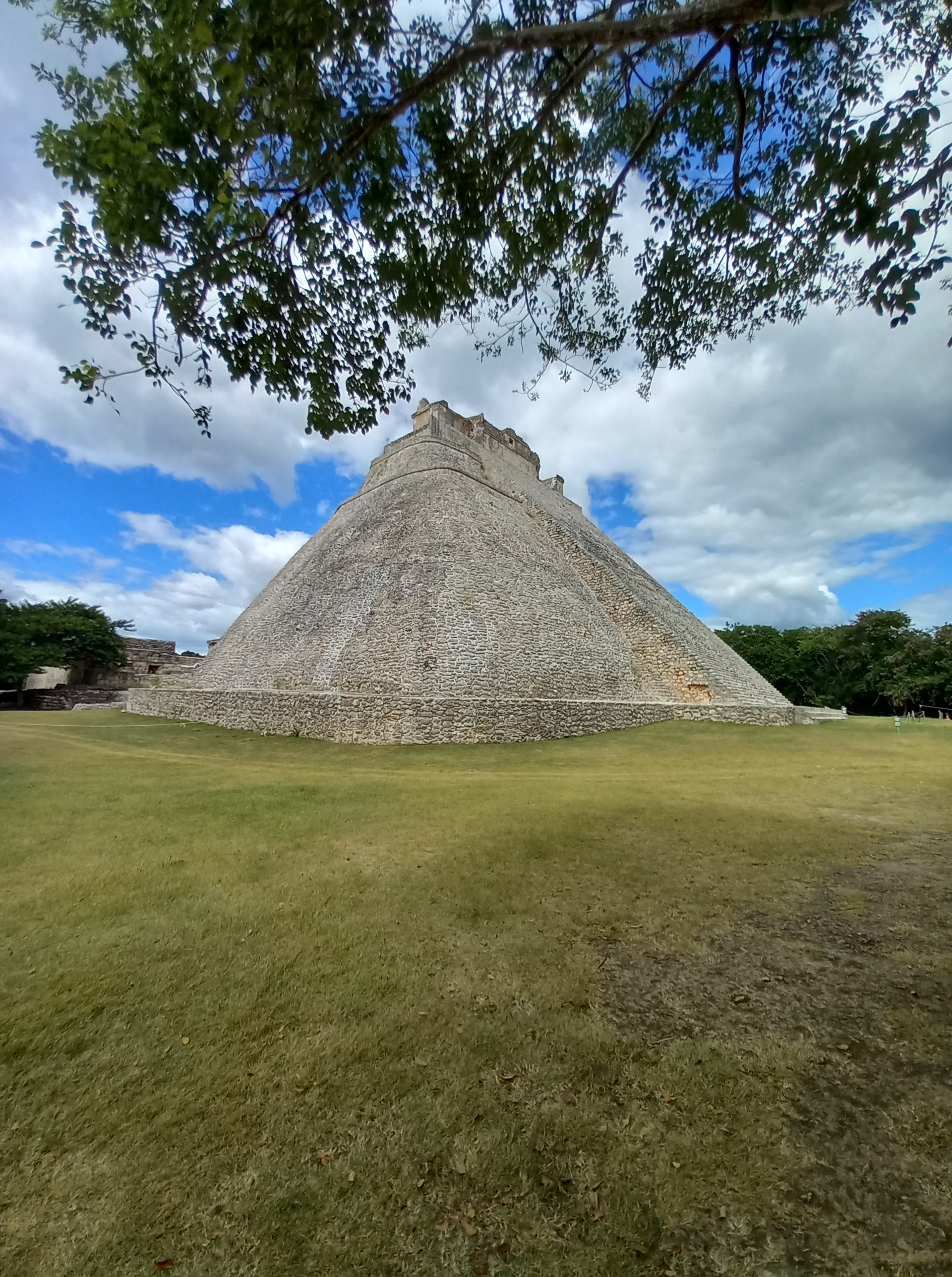
Uxmal is one of the most well-preserved Mayan ruins in Latin America, but not as famous as Chichen Itza or Tikal in Guatemala.  The Pyramid of the Magician is the focal point of the ancient city.  Work began on it in the 6th Century but it was abandoned after the Spanish Conquest of the Yucatan.  According to one legend, the pyramid was constructed by a powerful magician in a single night.  In another legend, a dwarf that was born from an egg stayed off execution by completing three miraculous tasks, one them being the completion of a building higher than any other in the city.  I had been to Uxmal once before, over twenty years earlier.

That morning it was hard to get out of bed.  The room was quiet and comfortable, the air a perfect temperature.  My body had been a mess of aches and pains lately, mostly from a mysterious strain of arthritis.  On this run it had started in my feet and then spread to my right elbow and wrist.  Now I laid there and tried to compose myself before another long day that would involve a ton of walking.  When I finally did get up, already fully dressed, I grabbed a rune to take with me.  This time it was Ansuz, or the rune of the divine.

I walked past the cathedral and then took side streets to get to the station.  There were a few other tourists on board the bus.  The company was Sur.  My seat was in a single, right up next to the driver.  It took a little over an hour to get to Uxmal.  The driver said that the return bus would be passing at 3:30, which was a lot of time to kill, roughly five hours.  I walked up the road to the entrance as slowly as possible, taking it all in.  It was 430 pesos to get in, as expensive as Chichen Itza.

My plan was to take a picture of the Ansuz rune in front of the Pyramid of the Magician.  It took some work to find a decent place to set the stone, but eventually I settled it on a book, Saints and Madmen, I was carrying to act as a temporary table.  The pyramid is rounded and sloping in a way that makes it unique. 

Like the other pyramids I’d visited on this trip, it was closed for climbing.  It was hard to know if this new regulation was temporary due to COVID, or now a permanent policy.  A lot of things that had happened during the pandemic had stayed that way, like raised prices all over the world and places that no longer accepted cash.  The virus was designed to change the way we live, and it had.

From the pyramid, I walked around the grounds of the Nunnery and then down through the ball court.  The stonework seemed to involve serpents and pixelated faces.  The weather was pleasant, with just enough clouds to prevent the sun from boring down with full intensity.  Past the ball court was the Great Pyramid, 80 meters wide and 30 meters high.  On one level there is a structure with carvings of macaws, so it is also known as the Temple of the Macaws.

Climbing up to the Governor’s Palace, I caught up with a tour group being led by a guide who was telling him about his experience at the Kali Temple in India.  It seemed he was using his position as a platform to promote his autobiography.  The faces of his audience could’ve been carved from the same stone that was used to build the palace.  I was glad that I was not being shepherded around from site to site. 

From a distance I could see the top of the Pyramid of the Magician poking through the trees.  I slowly trudged back towards it.  There were four more hours to kill.  It was a good thing I’d brought a book.

setting the stones 24

Ansuz looks like an F with the two horizontal lines drooping down.  It represents divine speech and thought, the ability to put thoughts and needs into words.  Drawing this stone may mean that a change is about to come about suddenly.  Although one may not know how to respond to this change, the unconscious mind will know what to do.  Spirits will guide.  Angels will lead.  God will direct.  The answers you are looking for may come in the form of dreams, synchronicity, or through an older and wiser person.

When it comes to the healing interpretation, Ansuz has to do with guilt.  One can’t allow intuition to flow when they are too caught up in what they should do or what they shouldn’t have done.  What has already happened can’t be changed.  If amends need to be made, then make them to be freed from the baggage of the past.  Guilt only serves to cloud perception. 

For many years my course of action had been dictated by ideas, for trips or creative projects, that formed like bubbles on the horizon line of my mind.  Once it appeared, that is usually the direction that I went in and when that happened things usually worked out.  Often though, it was quiet for a long time and I had no idea what was going to happen next.  I’d lived most of my life without a plan, relying solely on divine inspiration in the clutch.  My songs and poems worked the same way.  Words would come out of nowhere and I’d have no idea what I was trying to say until I was done.

What was I hoping to accomplish now, studying the runes at the Mexican ruins?  Did it serve any purpose outside of being fully alive during the season I was doing it?  Time would tell.  If that was all, then it was enough.  Life is only to be lived, not explained away, or won.

After visiting the ruins of Uxmal, there were still four hours before the return bus to Merida arrived, at least I hoped it would arrive.  All any of us out visiting that day had to go on was hearsay.  There was no bus station or office to buy a ticket at, just a bench under a tree beside the road.  I decided to eat at the restaurant inside the ruins and got chicken and mole.  There was a mural inside of a group of Mayan priests, wearing masks and blowing horns at a ceremony.  I tried to read my book but couldn’t concentrate.

Finally, there was nothing left to do but go back to the road and wait for the bus.  It still wasn’t scheduled to arrive for two more hours.  There were already six people waiting there.  I got a coke and some cookies and just sat there along with everyone else.  Then, right before the bus arrived a European couple showed up and stood right at the edge of the road, ahead of everyone else, smiling and trying to socialize, as if what they were up to wasn’t transparent to everyone.  If there would’ve been a shortage of seats that would’ve been a major problem, but when the bus rolled up it was only half full. 

When we got back to Merida, I went and bought a ticket to Campeche the next day.  It was only a few hours to get there, so I decided to travel at 10:45.  That would allow me to sleep in and take my time getting to the station. 

That night I walked around the plaza in front of the cathedral.  There was some artwork for Day of the Dead still on display, a series of photographs showing people interacting with death.  A woman in a shawl was hugging a skeleton close to her body.  A child with angel wings, holding a crystal ball, sat surrounded by four skeletons in cowboy hats.  Two skeletons on bicycles approached a man kneeling in a cloud of smoke. 

Inside of a bank building was another display, this one involving photographs of dead children.  There were five living children, holding wreaths of flowers, standing beside a coffin with a dead baby inside.  Next to that was a picture of two women, standing on both sides of a high bed with a dead child on it, surrounded by candles.  A third showed a mother cradling her dead baby in her arms, surrounded by her four living children.

Right outside of the cathedral was a line of horses and carriages that I passed by on my way back to the hotel.  One of them caught my eye, a white horse, with white blinders, pulling a white carriage, with white wheels.  One of these would be arriving soon to take me to my death.  It is amazing how much of my time I spent worrying, wondering what I was going to do next.  One day soon I’d be gone?  What else was there to think about?

setting the stones 25

Campeche is a port city with colonial architecture and stone walls around the old city that helped to protect it from pirate attacks in the 16th and 17th century.  I’d never been there before, but thought it might be a good place to break up the journey to Palenque, which was the next set of ruins that I planned on visiting. 

On the way to the bus station, I stopped for tacos at a stand in San Juan Park.  Stuffed with my laptop and many books that were crucial to my trip, my backpack weighed about forty pounds, heavier than my suitcase.  My elbow and wrist hurt less than the day before.  The flare-ups were rising and falling like an active volcano.  When and where would they strike next?

My seat was number 24 in the back of the bus.  A muscular bald guy was sitting in the seat in front of me, the tip of his head resting on the back of the seat like a shiny egg.  Once the bus got moving it started bobbing around in a way that almost hypnotized me.

It was two and a half hours to Campeche.  Once there, I bought a ticket to Palenque leaving at eleven the next morning.  All I had were written directions for the hotel, and it ended up being a long walk, over two miles.  Everyone was wearing COVID masks.  They were taking the pandemic as serious as if a high priest had decreed it from the top of a pyramid.  I took Central Avenue until I reached the wall of the historic center. 

There, I entered through a gate and walked along a high, narrow sidewalk past colored houses.  When I emerged at the end of that street, I asked a policeman how to get to 16th de Septiembre and found I was only a block from my hotel.  The Hotel Baluartes was five stories and light blue, right across from the sea.  When I checked in, I noticed the swimming pool.  The room was clean and overlooking the ocean, with two double beds and a white tiled floor.

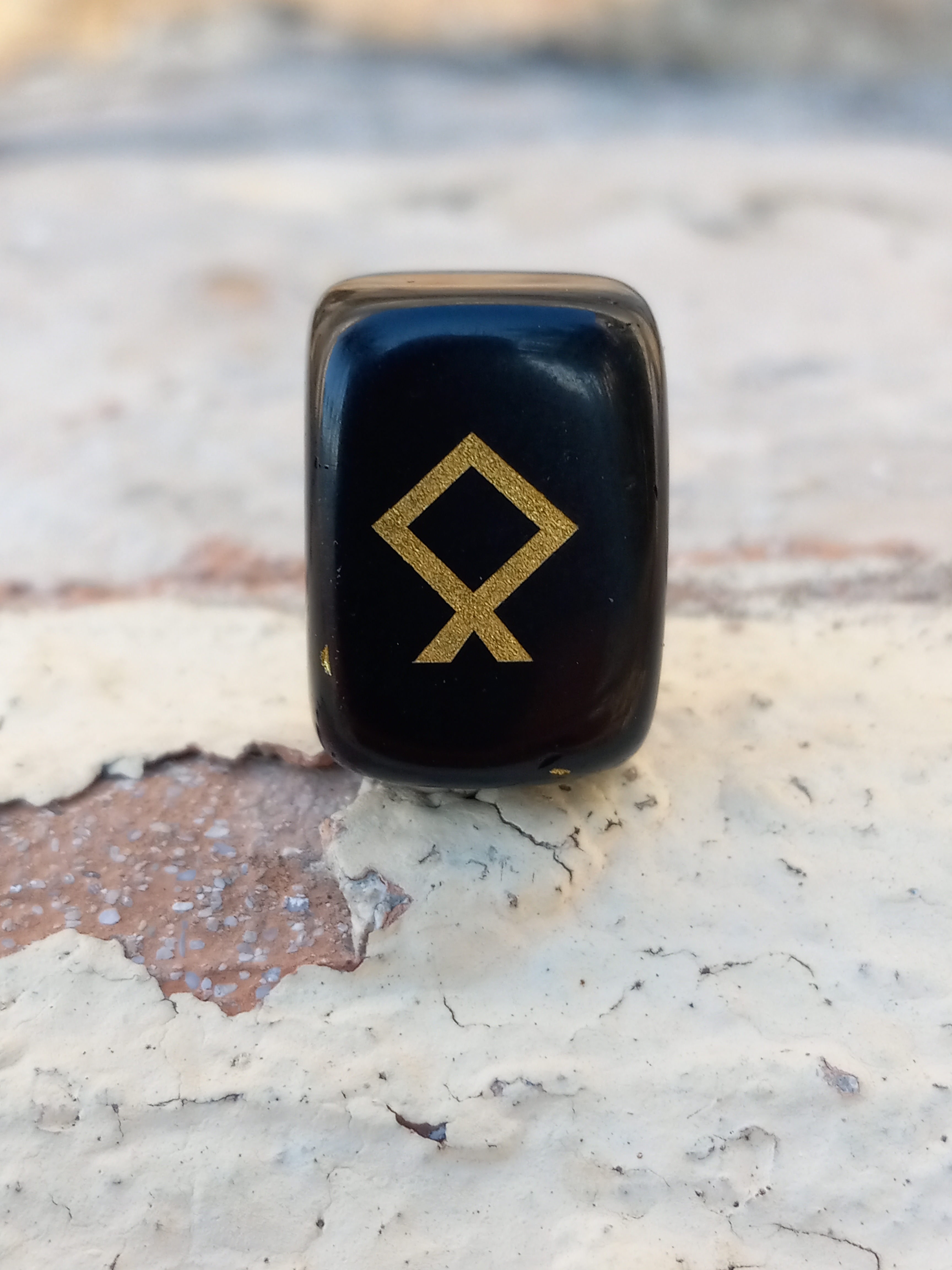
After putting my things away, I drew a rune stone, which was Othila, the stone of authority or tradition, and thought I’d take it down to the pool to take a picture of it.  The pool area was now being occupied by three women tourists.  One of them was baring her pointed tits, glaring around, daring anyone to try to check her out, so I just turned around and headed for the street. 

There was a mural of a Native woman with a painted face, next to a jaguar with blue feathers behind its ears.  Coming around the corner, there was a pirate with his hands on his hips.  There in a shop window, another with a sword across his knee.  Upstairs, one more pirate, with a hook for a hand and a monkey on his shoulder.  The city was full of pirates.

I passed through the Gate to the Sea, and entered into the old town area.  The colonial buildings were soft colors, yellow, green, blue, pink, with iron balconies and white trim.  There were a handful of outdoor cafes.  There on a bench was another gentleman pirate, contemplating retirement, with one boot resting on his knee.  At the end of the street was another, guarding a wooden chest.  It was too hot to be walking around.  I wanted to go back and swim in the pool and then walk around again in the late afternoon.

When I got back, the frowning exhibitionist and her friends had left the pool.  I went up and changed into my trunks, then went down and took some pictures of Othila beside the pool, with red ants climbing all over it.  Then I eased my way down to the bottom of the pool and swam underwater to the other side.  The light of the sun splashed all around me.  I could’ve been swimming through the middle of a dream.

setting the stones 26

Othila looks like a diamond with legs.  It represents authority, tradition, and responsibility and is associated with concepts like loyalty and patriotism.  It has something to do with religion and values that stand the test of time.  To draw this stone may mean that there are important family events to attend to, perhaps a wedding, a funeral, a holiday, a time when the meaning behind certain traditions is comforting and viewed with new respect.  The month of Othila is November and its moon is the Fog Moon.  It may be a time to review wills or receive an inheritance.  You may seek the advice of an older family member when dealing with a problem.

The healing side of Othila is grief.  You may need to address an issue or event that has brought you grief in the past.  Perhaps you never took the time to grieve.  You need to embrace the loss of something, be it a person, place, season, opportunity, and then move on.  If this does not seem to apply at the moment, you may be able to offer comfort to someone else who is grieving.  Every day we lose part of the world that was familiar to us.  At the end of our lives, we may even end up strangers to ourselves.  There is much to grieve.  It is not a crime to do so.

We had moved around so much when I was growing up, I’d never learned to really grieve.  In time it became easier to say goodbye than to stick around.  Our family traditions gave some structure to my upbringing, but were also prisons at times.  My father, as a preacher, was only allowed to project one side of himself whenever he was in public.  I respected his convictions, but no one had asked me what I wanted.  It wouldn’t matter if they had.  We did what we were told, and that was that.

After getting out of the pool, I took a walk again in the late afternoon, this time heading down to Our Lady of the Immaculate Conception Cathedral.  Although everyone in my family had been Christian, we were Lutherans.  The only indulgence in our churches had been the stain-glassed windows.  I like visiting cathedrals with all of the incense and saints.  This particular one had a museum that I paid a few pesos to get into. 

You can hear the same story so many times you forget what an incredible tale it really is.  Here was God and his son Jesus, side by side on a cloud, the white beard and the brown beard, the Holy Ghost in the form of a dove, descending upon them in a ray of light.  Now there were two saints in chains, kneeling in front of an angel, little children praying to the Virgin. 

In another room was Jesus, riding into a Jerusalem on a donkey.  There he was again, lying dead beneath a sheet, now rising up victoriously, flashing his sacred heart.  These images were imparting principles and powers that are difficult to put into words, love, mercy, suffering, pain, repentance, forgiveness, redemption, transfiguration.  For many years I’d acted as if the Bible meant nothing.  At the time of the pandemic, I’d been profoundly humbled, however, and was willing to become a believer again.  Without a series of miracles, I didn’t stand a chance.  I knew that now and could really only pray for mercy.

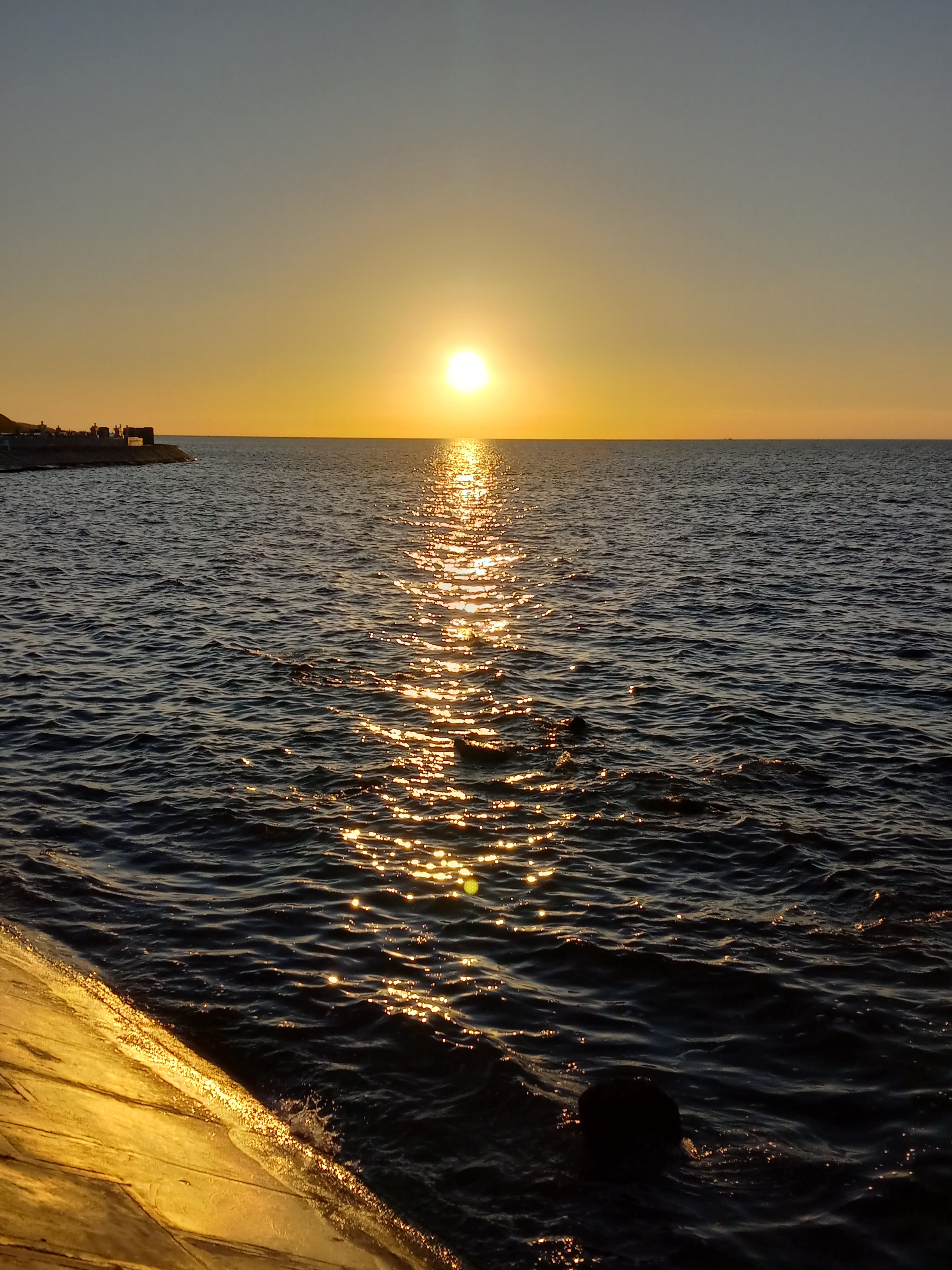
From the cathedral I wandered down to the boardwalk, just as the sun was setting on the Gulf of Mexico.  There was an eagle on a pillar, like a giant sun dial, and further down some painted concrete balls.  The sun seemed to be melting into the ocean.  It was still a long way back to Mexico City.

setting the stones 27

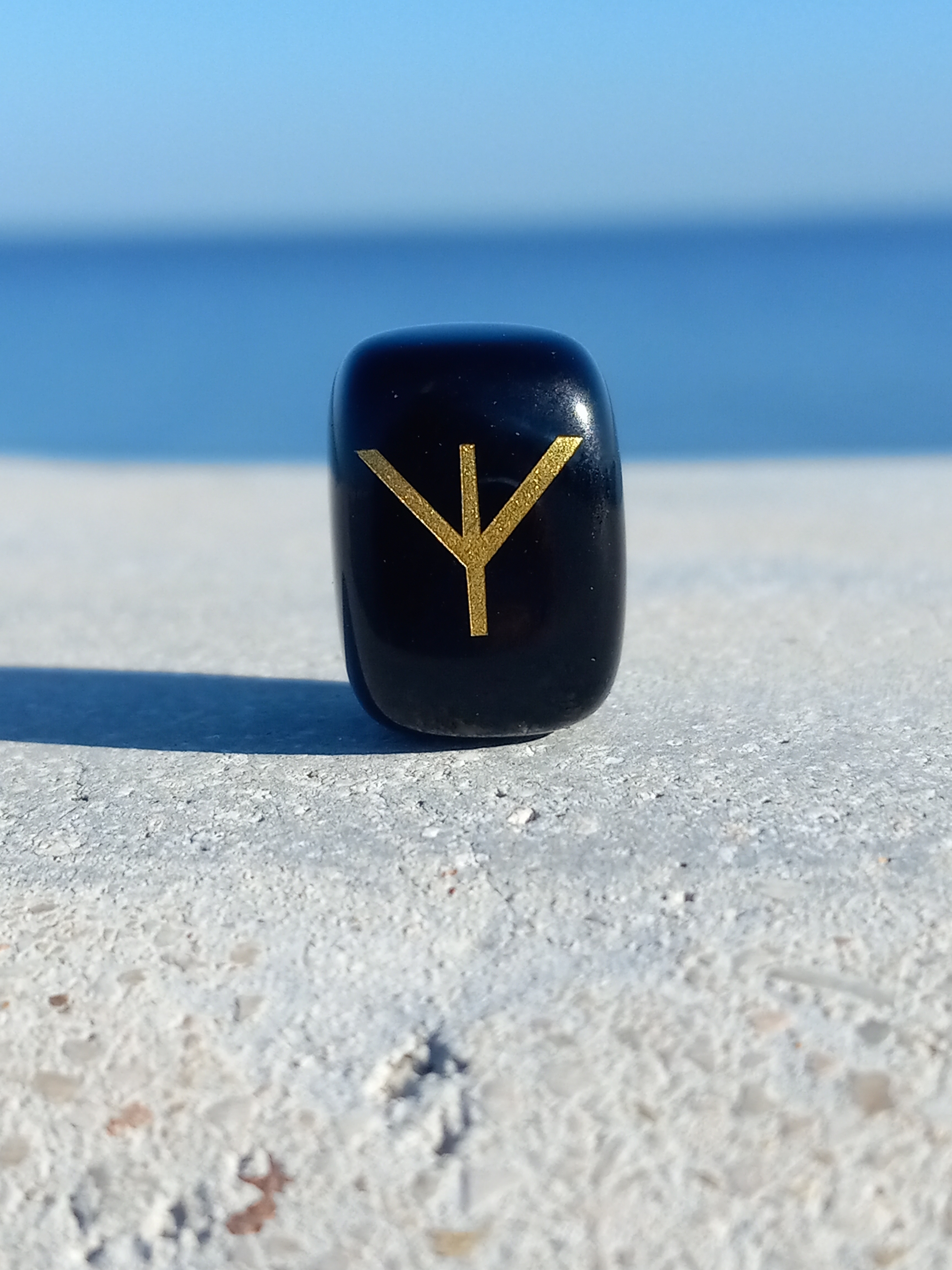
It was a beautiful morning.  Light filled the room.  I got out of bed and looked at the blue ocean below.  Only in Mexico can a man of moderate means still live like a man.  Twenty-five dollars a night.  I’d spend my life in that room if I could.  There were still a few hours before I needed to take a taxi to the bus station.  I drew the rune for the day, Algiz, the rune of self-interest and took it down to the seawall with me.  On the way, I picked up a muffin and a coffee, then took a few pictures of the rune in the bright light of day once I got there.

At ten o’clock I asked for a taxi to the bus station.  It was fifty pesos, only three dollars.  You can also get anywhere you need to go in Mexico without a car.  I got to the station early and bought a newspaper.  There it was, right on the front page, all the accidents and death that had happened in the last twenty-four hours, in bloody, gory detail. 

A motorcyclist had been wiped out by a truck.  It had been a record year for suicides.  Two brothers had gotten into a fight.  They showed one with a bleeding gash on his head.  A taxi was shown crumpled and tossed onto its roof.  The rumba queen was still at it, a thousand plastic surgeries later. 

It was six hours to Palenque.  My seat was up front.  No one rode beside me the whole way.  The movies might’ve been more interesting if the sound had been turned up.  At least I could’ve practiced my Spanish.  But the screen was silent.  I watched a movie where Mel Gibson has a beaver puppet on his hand throughout.  The next one was Beauty and the Beast.

When we arrived in Palenque, I went in search of my hotel.  This was my third time in the city and I had a good impression of it, but leaving the station I felt disoriented.  Perhaps, I’d stayed on the other side of town on my last visits.  Then, as I was approaching the center, I saw a sign on the tallest building, The Kashlan Hotel.  That was easy. 

It was an old hotel, dimly lit.  They didn’t accept credit cards, only cash.  I paid for two nights and ascended to room 123.  It was perfectly acceptable, a large double bed, ceiling fan, and working television and wifi.

After putting my bags away and using the bathroom, I set out to find the central park.  The last time I’d been in Palenque I’d had such a good time I’d thought it might serve as a good base in the future.  Now, however, the pandemic had seemed to zap much of the joy from the city.  The park was closed, the small stage where I’d seen children dancing in cowboy hats, shut down for the immediate future. 

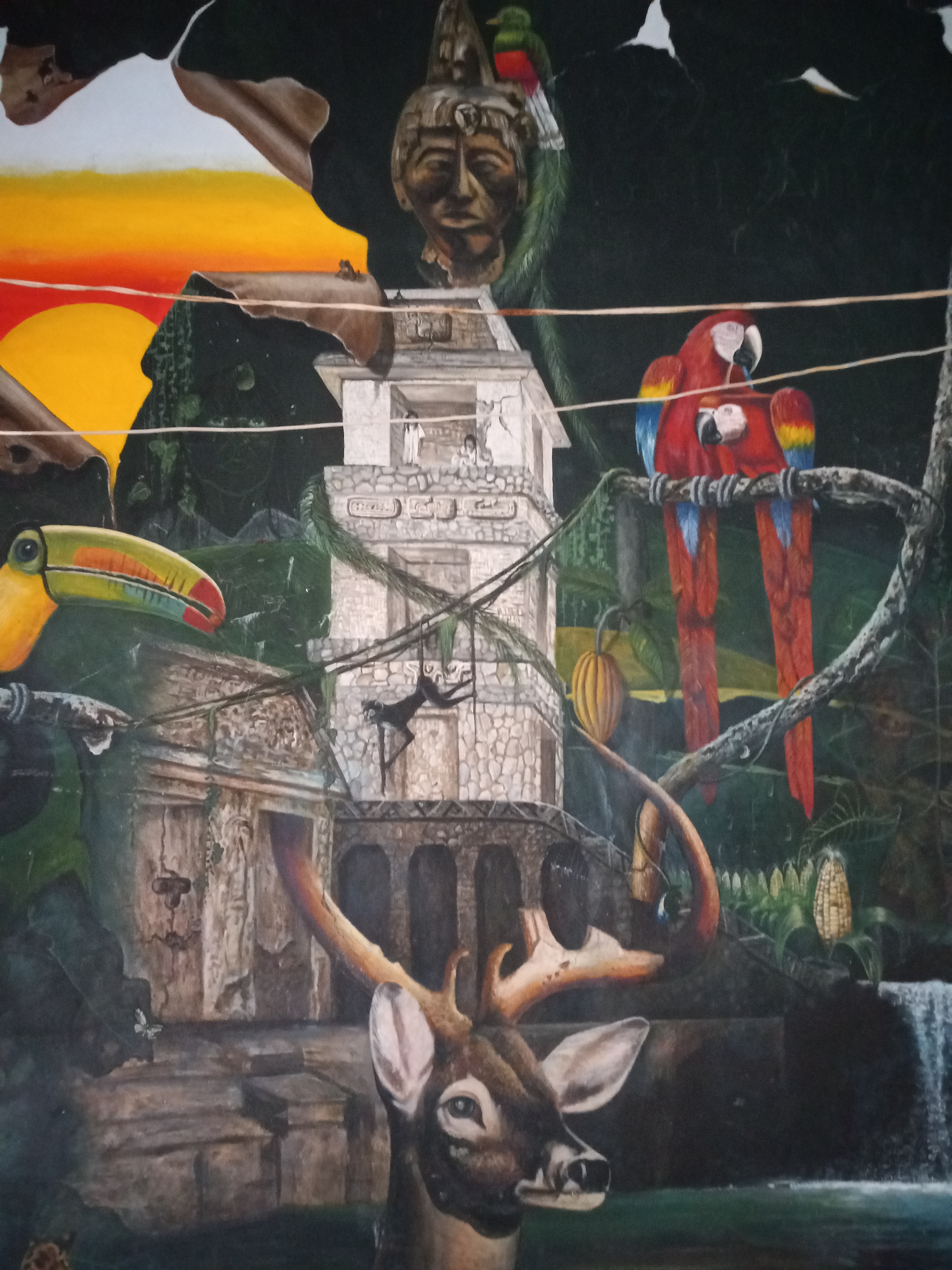
There was a mural I took a picture of, a composite of the ruins, a Mayan god, a quetzal, a toucan, two parrots, a spider monkey, a deer, the jungle, a setting sun.  That seemed to capture my memories of Palenque.  What I was witnessing now was a city just emerging from lockdown, like any other city around the globe.  It was a new world now, one where people watched the same news, followed the same orders, and ate and dressed the same.  There were still pockets of resistance all over, but the pandemic had proven that no one was immune from the new world order.  Was it a good thing or a bad thing?  It was an unprecedented thing.  That was all we knew for now.

setting the stones 28

Algiz looks like one branch becoming three, or a stick with its arms raised.  It is the rune of self-interest and is connected with magical power.  It was once worn as a charm by those seeking protection and health.  There is a difference between self-interest and selfishness.  Drawing this stone means that you need to take the time to set your own house in order before you can be of service to anyone else.  This may be due to illness or exhaustion.  Other people’s concerns need to be put on the back burner for the time being.  This is the time to take care of yourself, develop a new hobby, or pursue your own brand of enlightenment.

When it comes to the healing interpretation of Algiz, it represents boundaries, which is very much related to self-interest.  It is important to draw lines and set limits, both to protect yourself and for the good of your relationships.  You need to decide what is acceptable when it comes to others and ask whether your boundaries are being respected or not.

They say that no man is an island, but for many years I’d acted like one, pursuing my own self-interests like a mercenary working for himself.  How many times had that lapsed into out and out selfishness?  Too often, perhaps, not by wanting more than anyone else, but by not taking time for others or valuing their perspectives.  It felt like if I didn’t find a way to have the experiences I needed, they weren’t going to happen.

My boundaries had mostly been that if someone got in my way or slowed me down, we weren’t going to have a relationship for long.  Was I sorry for chasing my passions like that?  Not so much as I was willing to change the way I operated moving forward.  I recognized that I’d entered a new season of life following the pandemic, that would require engagement and cooperation with others.  It was time to share some of the things I’d learned, and to be open to learning from others, as well.

That evening I walked up to the Central Park of Palenque again, seeing once more how COVID had drained the life from the streets.  There were four large Catrinas still standing from the Day of the Dead, all frightening skull faces with gritted teeth, in beautiful dresses and jewelry, one in red with a long black braid, another, also in red, with red flowers in her hair, a third in purple, with purple and yellow flowers, and the fourth, all in black, with a look of horror, as if she were plunging down a roller coaster.

On this night, the church was open.  There were a few people sitting on benches outside of it.  I approached and entered.  There was a cross at the door and it was clean and light inside.  It was painted white with blue trim.  I’d just passed the four Catrinas, wrathful deities, representing the frightening aspect of death and the great unknown.  The church now offered assurances of what lies beyond death. 

Jeus stood there in a white gown, light radiating from his heart, his hand reaching out, offering eternity.  Next to him was a nun, clutching a cross and a bunch of red roses to her chest, her face as young as a child.  At the altar was a large white dove, descending through a sea spray of golden rays.  Seven candles burned on the steps at the front of the church. 

On the way back to the hotel, I stopped to get some Chinese food.  The woman working in the restaurant freaked out when she saw that the skull bandana I was wearing over my nose wasn’t sealed around my mouth.  I dug in my pocket and came up with a COVID mask.  There was nothing to do then but go back and wait for the morning.  I spent half the night flipping through channels on the TV.  The pain of my arthritis seemed to be diminishing, but I still couldn’t sleep.  It felt like some disaster was waiting around the corner.

setting the stones 29

Palenque is a set of Mayan ruins in the south of Mexico that was once a city state that disappeared after the Eighth Century.  It is also known as Big Water.  After it was abandoned, it was overtaken by the jungle, but has since been excavated and refurbished.  It is possible that there are still thousands of structures that are still uncovered in the jungle.  I’d been to Palenque once before, with an extremely cheap camera.  This time I was taking a rune out there for a photo op.  The rune that I drew was Laguz, signifying water, which seemed appropriate.

To get out to the ruins I took a collective that waited on the corner.  On my way to it, I got tamales and coffee, and listened to an amputee in a wheelchair sing karaoke for change.  Mexico is full of life.  People belong in the street.  America is full of loneliness.  People hide and die alone in buildings.  As soon as they die, they get swept up and hidden as well.  Death is the greatest taboo in the US, that, and failure. 

Before reaching the archaeological park, the van I was in pulled over so myself and another tourist could jump out and buy tickets.  There was a wrist band we needed for a hundred pesos and then another ticket for eighty, about twenty dollars in total.  When we got to the ruins there were a lot of vendors and guides outside the gate.  All I really wanted was to be left alone, to sit in peace and find a good place to photograph my rune.

The Mayan belief system was polytheistic in that they believed in many gods, and animistic in that they believed every object, living or otherwise to have a soul.  They believed that three worlds were joined by a sacred ceiba tree.  The nine levels of the Underworld were the roots, the Middleworld was the trunk, and the thirteen heavens of the Skyworld were the branches.  It was believed that the pyramid temples were places where the different worlds could be accessed.  Through ritual and trance, some of which involved human sacrifice and bloodletting, the kings and priests were said to be able to speak for the gods.

I stared my tour by sitting on the ground across from the Temple of Inscriptions and taking a picture of Laguz, propped up on a bench.  The Temple of Inscriptions is where the tomb of the king Pascal was excavated.  He and his son, Chan-Bahlum, or Snake-Jaguar, were responsible for making Palenque a great power in its time.  There were howler monkeys in the jungle, their roar as loud and terrifying as that of a jaguar, but they kept themselves hidden. 

The fact that all of the ruins were roped off, made for a short tour.  In the past it had taken a good deal of exertion to ascend to the top of the Temple of the Cross.  Now I just walked past it, that, and the Temple of the Sun, and headed over to the Palace, a small stream running beside it.  After wandering through the ball court, there wasn’t much left to look at.  I would’ve liked to walk through the back exit, down a trail that passes a few waterfalls, but that was roped off as well. 

I was accomplishing my mission on this trip, taking pictures of the runes at the ruins, but not much more than that.  It was lucky I’d been to them before or I might’ve come away disappointed.  As it was, I just checked another rune from the list and went on my way.