All posts by Haunted Rock

These are songs, poems and images from a life on the road. Enjoy your stay and safe travels.

setting the stones 37

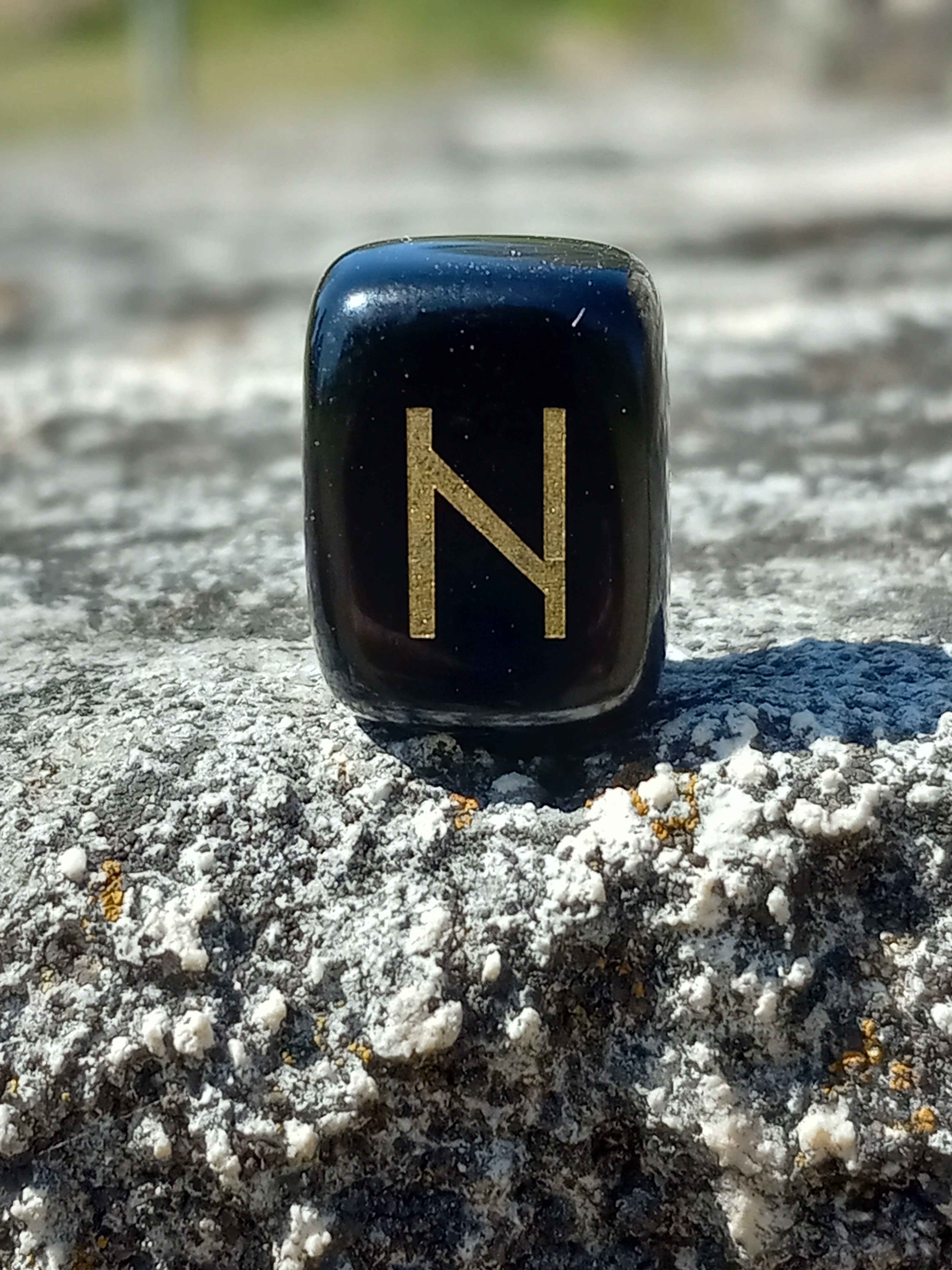
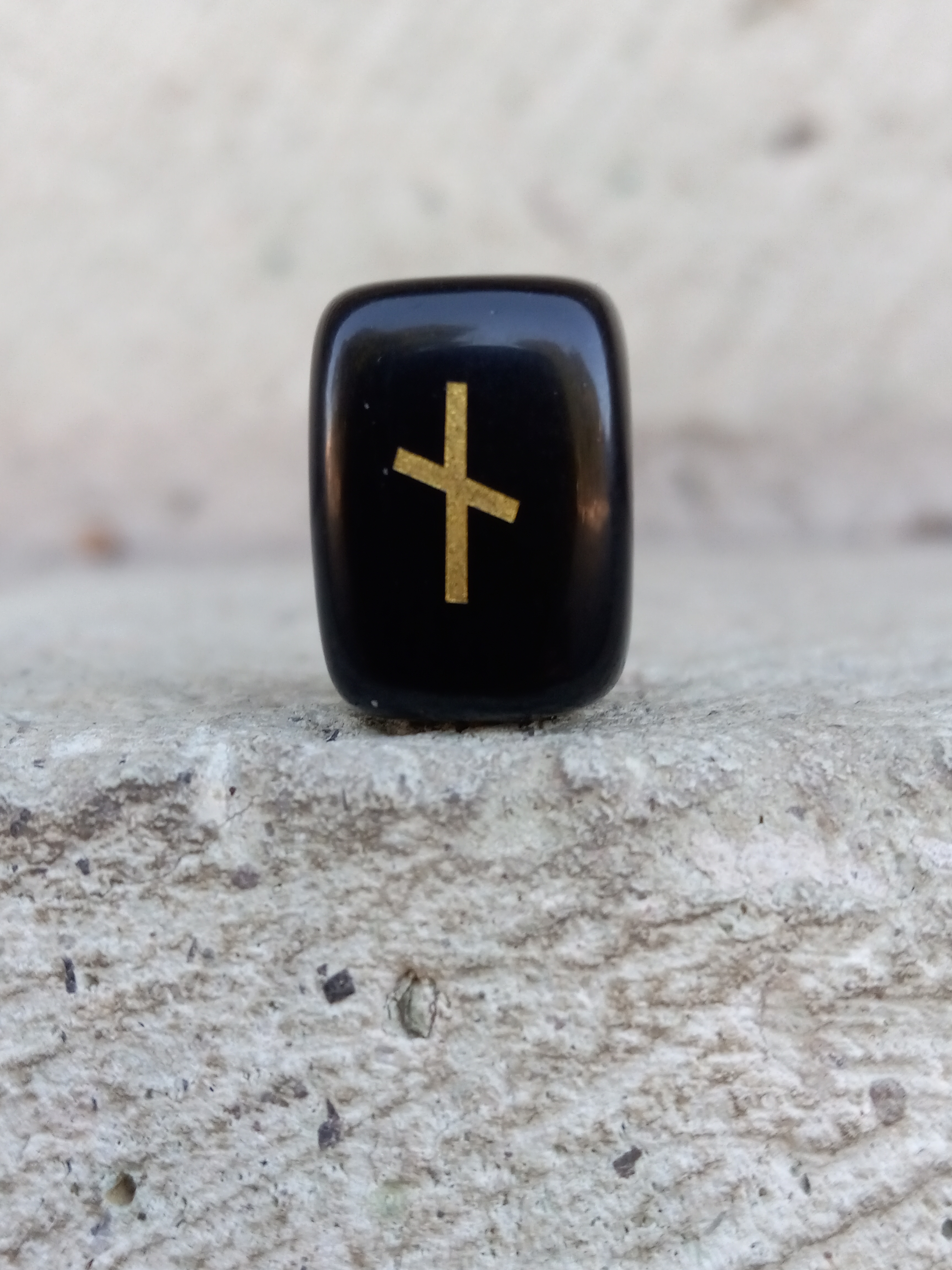
My destination that day was Puebla.  I got up early and packed and then checked out and walked across the Zocalo.  The rune that I drew before leaving was Nauthiz, or that of necessity.  I stopped outside of the Metropolitan Cathedral to take its picture on the steps.  A small tent city of protestors was occupying the plaza.  There was a banner of a skeleton wearing a suit and some small crosses to commemorate those who had disappeared during recent political unrest. 

It was a mountainous journey to reach Puebla.  My seat was on the right side of the bus and sunlight streamed through the window.  The day before, at Monte Alban, I’d bought a book about the history of Mexico, so sat back to educate myself along the way.  The ancient people who’d built all the pyramids and cities I’d recently been visiting were the Olmecs, Teotihuacan, Maya, Toltec, and Aztecs. 

After the discovery of the New World by Columbus, in 1492, the first Spanish expedition to what is now Mexico took place in 1517.  It was the third expedition by Hernan Cortes, in 1519, that led to the fall of the Aztec empire.  The land became known as New Spain, and the King of Spain, Charles I was the supreme ruler.  He designated viceroys and an audiencia of a president and four judges to govern in his stead.

The war of Independence with Spain began in 1810.  On September 16th of this year, Miguel Hidalgo, a priest and criollo, meaning a person of Spanish descent, rang the bells in his church to take up arms against Spain.  His goal was to take Guanajuato and Mexico City.  Eventually he was captured and executed, but the independence movement had been launched.  The torch of revolution was passed to Jose Morelos, and then Vicente Guerro, and in 1821, the Treaty of Cordoba was signed, making Mexico an independent country.

In 1823, Guadalup Victoria became the first elected president.  General Antonio Lopez de Santa Anna took over in 1833, after fighting off Spain’s attempts to reclaim the country.  During this time a strong division began between the Centralist, or conservative, government, and the Federalist, or liberals, which was to continue for the next few decades.  Texas declared its independence and both California, New Mexico, and Arizona, were lost to the United States in a war that began in 1846.

The Revolution of 1910 saw colorful characters like Emiliano Zapata and Francisco Villa arrive on the scene, fighting against a system of wealthy landowners and the dictatorship of army officer Porfirio Diaz.  The present state of Mexico was created in 1917 and has undergone multiple presidencies and administrations since that time.

When I arrived in Puebla, I had to take a taxi to get to my hotel.  The Milagro Hotel ended up being a nice place to stay, right in the historic center.  The room didn’t have a number, rather a name, San Franciso.  I’d read about a neighborhood of murals that I wanted to rush out and see.  The next day was reserved for visiting the Cholula ruins, home of the biggest pyramid in the world by volume.  

The Barrio de Xanenetla, where the murals were was two miles away.  It was already late afternoon.  I hurried down the street to get there, racing the setting sun.
setting the stones 38

Nauthiz looks something like a cross with the horizontal line slanting downward.  It signifies necessity and hard times ahead.  Whatever happens next needs to happen, and can be survived, but may not be pleasant.  Personal security may be temporarily shattered.  Self-confidence may be at an all-time low.  Projects and relationships may fail.  It might be a time when help is needed from friends and family to get by.   We all go through periods like this.  It will pass.  A major turning point may be right around the bend.

When it comes to the healing interpretation of the runes, Nauthiz stands for shame.  Shame from the past needs to be recognized before it can be healed.  It brings chaos and uncertainly inside.  There are things we have done that cause us shame, and then things that are out of our control.  We need to understand the difference.  Life tends to humble us.  You may need to ask for a hand.  If there is a secret you are keeping, you can lighten the load by sharing it with someone when the time is right.

The pandemic had humiliated me to the core and saw me camping in my mother’s yard for a year and a half.  Even before then, however, I knew that my nomadic way of living was reaching a state of crisis.  I was getting too old to keep finding the contracts I needed to keep me afloat, and at the same time none of my creative attempts had gotten over in any way. 

I’d hoped to at least have a support group by now, if not a home, but in my mid-fifties there I was, without a home, without a family, without a career, without any money, without even a hope.  If I could’ve died of shame, I would’ve.  Instead, I’d toughed it out, and then began to realize that a lot of people were having problems during the pandemic.  I wasn’t the only one that had been affected.  Once I realized that, I began to handle it better, and now here I was, just as vulnerable, but still alive and moving forward.

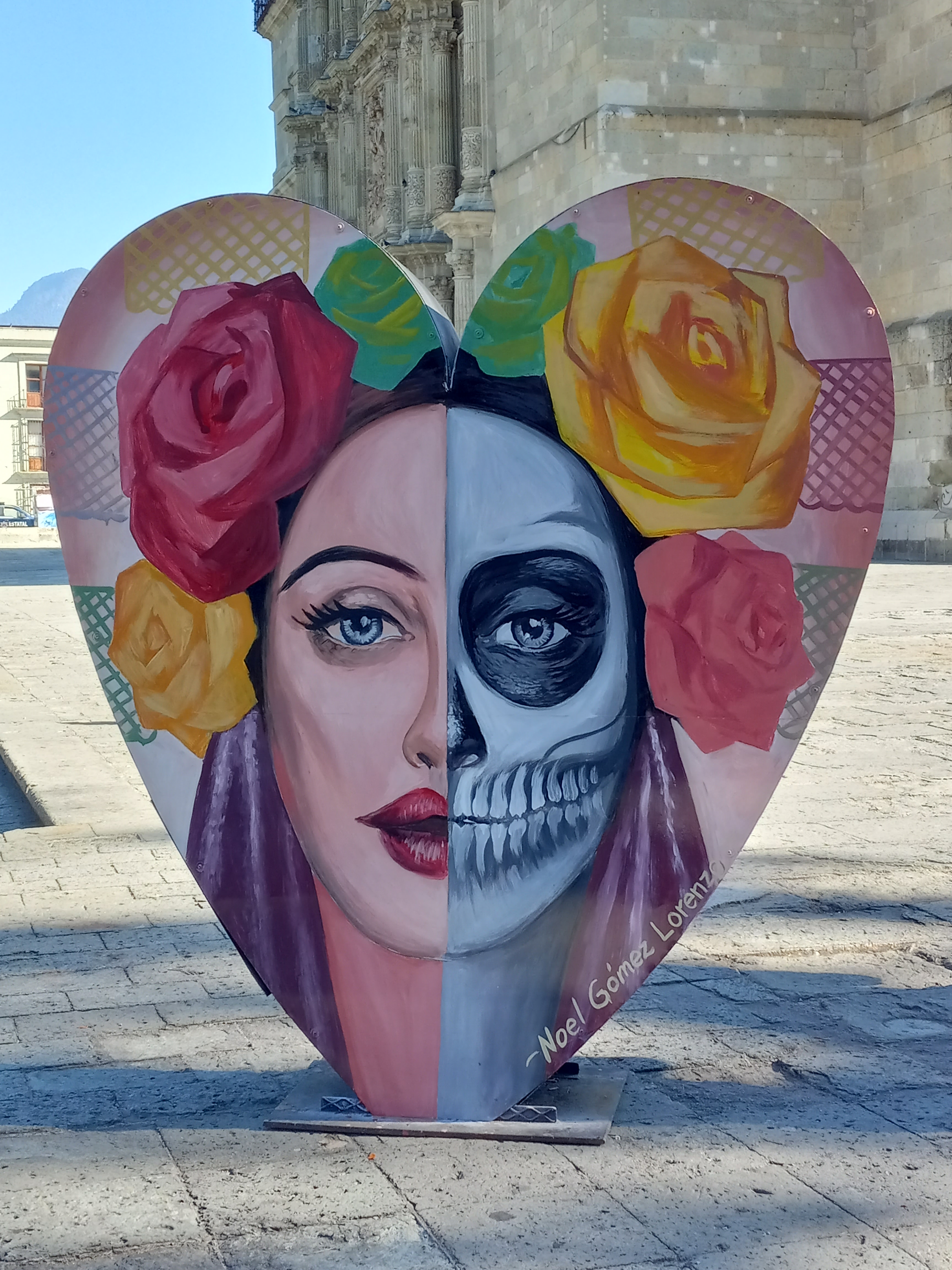
Barrio de Xanenetla was once a dangerous neighborhood, but they gave it over to street art and the seeds of its rehabilitation were sown.  Walking through the narrow streets where such imagination has been allowed to run riot, took me out of myself, away from the anxious thoughts of returning to Los Angeles and starting from scratch once again. 

There was so much to process, two coyotes howling into Infiniti, a technicolor snake the length of a city block, a woman adrift on a lake, two sandaled feet, a portrait of a woman and two geese, a low-flying owl, a vaquero in a sombrero, riding a black horse, a man and a golden eagle, a laughing Mayan with a bowl of flame on his head, an exploding human heart, a rapper made of sparrows, a woman with arms like branches, pink and blue cotton candy, a masked wrestler, a mother and child, two outstretched hands, a beetle attacking the full moon, a young girl tending to a bull.  It was all there to walk through like a small city of dreams.

By the time I got back to the hotel area it was nearly dark.  I walked down to the Zocalo and stood beside a fountain, flashing purple lights beneath a purple sky.  I went into the Puebla Cathedral and stood beneath a statue of a saint, Francisco de Borja, in a black frock, holding a skull in his hand.  Two statues to the right and left of him were reaching up out of the flames of purgatory.  Jesus was on the altar, revealing his sacred heart.  I walked beneath a ceiling of concentric circles.  Outside the fountain was flashing, now purple, now blue, now green.

setting the stones 39

South of Mexico City, in the city of Puebla, is Cholula, the largest pyramid, by volume, of any in the world.  The reason that not many people have heard of it is that most of it remains unexcavated, in fact, to see it in person can be something of an anticlimax since only one corner shows.  I didn’t know this on the day I traveled out to see it, but even knowing what I do know, would still recommend it as a fun day trip and interesting cultural destination.

By now I was down to just seven ruins out of twenty-five in total, and it occurred to me that I had yet to pick the one that had started me on my rune journey the year before.  The rune I’d picked at a Halloween party the year before had been Wyrd, the blank one, or that of destiny, and Ruth had told me it was the best one.  Now I wondered about it, still floating around with the six others, thinking wouldn’t that be wild if it was the last rune I picked, but not even going there since the odds were incredibly slim that it would play out that way. 

The one I picked on this morning was Hagalaz, or that of disruption, which didn’t bode well on a travel day.  There was supposed to be a train that went to the pyramid, but even though I set my alarm and got up early, found it was a long walk to the station, and then couldn’t find where the train left from when I got there.  Someone told me there was a bus that left every few minutes, so I tracked that down.

I was the first one on the bus, and it took about ten minutes to leave the station.  We drove for about fifteen minutes and then the driver dropped me off on a busy street and pointed to the corner.  Jutting over the buildings, I could see a hilltop church in the distance.  I walked towards it and after five or six blocks came to some train tracks that I followed.  When I reached the station, I was informed that there was a free train returning to the city in fifty minutes, but then it would be a few hours until the next one.  For some reason I saw this as a challenge and started to hurry.

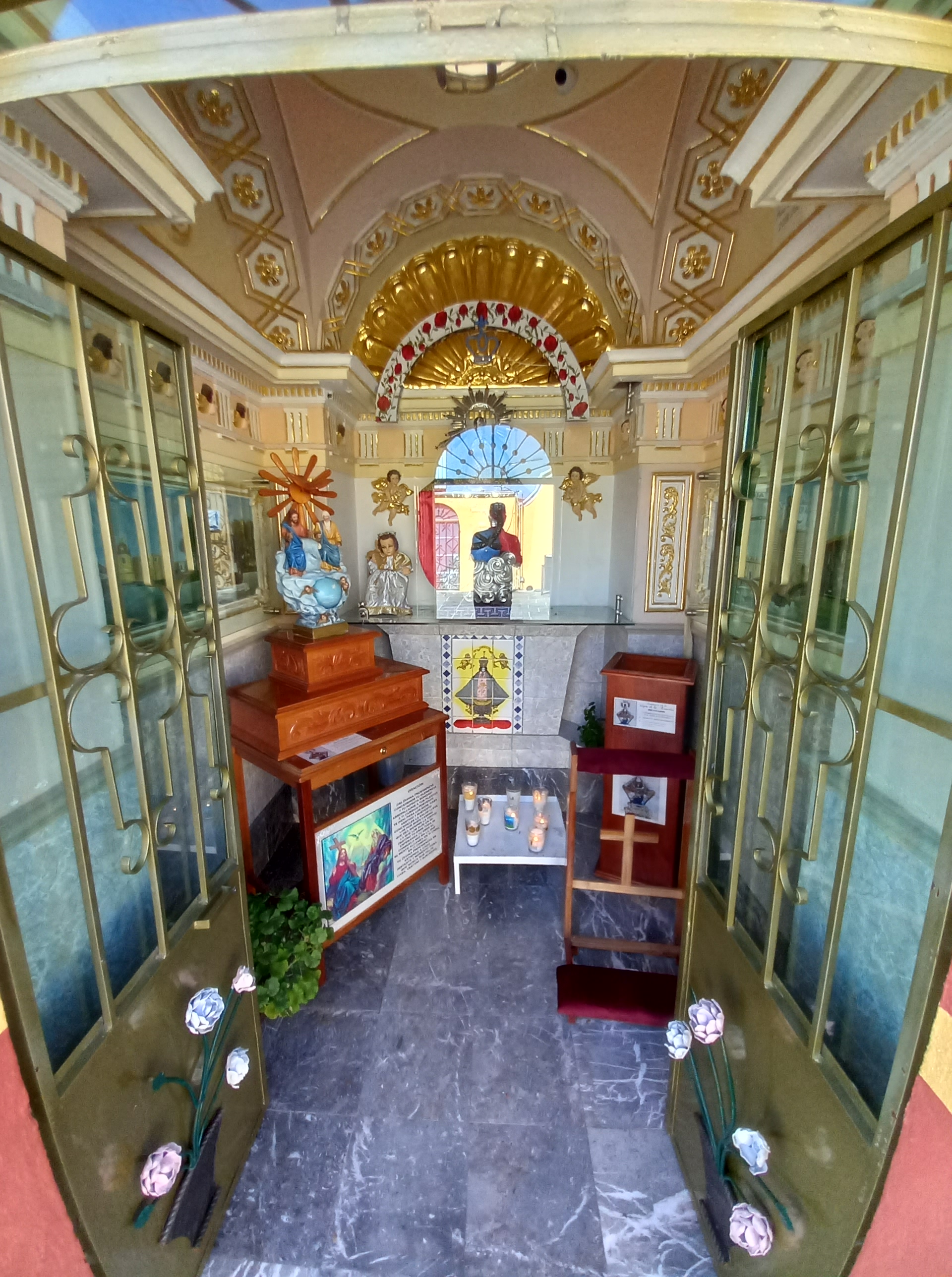
There were supposed to be some tunnels to visit, but they had been closed due to COVID.  There were the ruins themselves, and then there was the church that the Spanish had built on top of the temple, the Iglesia de Nuestra Senora de los Remedios.  Still thinking I might catch the next train back to the city, I rushed up the hill to it and got winded in the process.  The chapel was as ornately decorated as a little jewel box.  I circled around it, stopped a few seconds at the scenic overlook of the city, in front of a cross and two angels atop a flight of stairs, then hurried down the ramp towards the ruins, my toes already pinched up in my shoes.

When I saw the pyramid, I thought there has to be more than that, but there wasn’t.  The entrance was on the far side of it, a long walk that led me through a park with an exercise trail.  On the way I passed a plaza with a large sign that said SAN PEDRO CHOLULA, yellow on top, blue on the bottom, tourists standing in line to take a photo with it.  About half way around the park, I realized that I wouldn’t be making it back to the train in time, so slowed my frantic pace to a resigned shuffle.

The ruins were a heap of black and grey rubble.  In front of a stairway was a round head with a wide-open mouth that looked like Mr. Bill.  Next to it was a stelae that looked like it was carved the day before.  The problem with many ruins is that they need to be spiced up to make them interesting.  They need to have a few sculptures or mosaics that lend themselves to a story, at least a pillar or two, to distinguish them from any other pile of rocks. 

The portion of the pyramid of Cholula that was visible looked more like it had been recently constructed than excavated.  It would be interesting to see what was left of it under the hill.  I took out the rune, Hagalaz, and took a picture of it there.  It hadn’t been an easy day so far, but it could’ve been much worse.  Even if I hadn’t been able to climb the pyramids, I’d at least been able to see them.

setting the stones 40

Hagalaz looks like an H, with the center line tilting down from the left side to the right.  It symbolizes hail or disruption.  If you ever get caught in a hailstorm you need to run for cover or pull over to the side of the road until it passes.  This may represent a postponement or cancellation of plans, due either to bad weather or life circumstances.  It represents elemental forces that are out of one’s control.  It is easy to allow fear to run rampant during this time, but important to remember that the storm, like everything in life, will pass.

As far as the healing interpretation, Hagalaz represents anger.  Anger is a very powerful energy and can cause great harm to others and the self.  It can also be used as a force for good and change if channeled correctly.  When encountering resistance, it is important to be patient and not give in to anger.  Look at what is making you angry and make changes if necessary.  Use anger to fight for injustice and the rights of others.

It is easier for me to deal with the big tragedies in life, like having no home and no job, then the little inconveniences, like getting stuck in the longer line at the supermarket.  Ignore the recording that I spent the last year slaving over and I sink into a depressed stupor.  Throw me into traffic for a few minutes and I lose my mind.

Now I had just rushed through one of the greatest archaeological sites in Mexico in an hour to catch a free train and had missed it any way.  I would have to walk back to the road and try to flag a bus down.  Should I retrace my steps and look at everything closer this time?  No.  There was a portion of the city, some cathedrals I’d seen from the top of the hill.  I wandered over to inspect them.  Only one of the cathedrals was open.  There was a pile of colored ribbons in one corner, prayer petitions to Saint Chabel.

I walked back to the corner where the bus had dropped me off, but it didn’t seem like a good place to catch a bus from.  The traffic was moving too quickly in that direction.  Two buses passed me without slowing down, so I crossed over to the other side and looked for a bus stop.  The bus that did stop for me had a clown on board that was entertaining the passengers.  He had an assistant in the back that was feeding into his shtick. 

I tried to keep a low profile, having become the butt of a payaso’s joke more times than I can count, always in a slang that I can’t understand or defend myself against.  On this day, I was ready with a tip when he got to me, and took a picture of him, his COVID mask pulled down to reveal a bulbous nose and bright red cheeks.  We passed another bus, pulled over and surrounded by police cars.  The clown tried to duck and hide behind me and everyone roared with laughter.

The next day I was traveling to Cuernavaca and then to Mexico City the day after that.  My trip was drawing to a close.  It had been educational more than it had been fun.  My feet had been giving me problems the whole time.  It felt like my toenails were embedded in the tips of my toes, and still I stubbornly went on wearing the same cheap shoes, like a Medieval penitent, whipping his back until it bled to atone for his sins. 

Another thing that was shot were my teeth, no dental insurance for a dozen years, living in a manner that caused me to grind them to stubs every night.  The work I had done, in Mexico and Saudi Arabia, were in worse shape than the ruins I’d been visiting on the trip, only a jagged reminder of the smile of my youth.  They say getting old isn’t for the faint of heart.  These days I can run into a mirror and not even recognize the stranger staring back at me.  I should go into business with the clown.  At least then I’d get paid to look so foolish.

setting the stones 41

It was late and I couldn’t sleep, worrying about returning to Los Angeles in less than a week, back to the same unemployment and uncertainty that I’d been living in since the pandemic had brought me back from Vietnam in early 2020.  There were some international jobs that I’d been offered, but now I didn’t know what I wanted anymore, besides to work on my writing.  There was a newspaper I’d picked up that afternoon, The Extra, that I browsed through, noting all the accidents and fatalities of the previous day.

A driver had been killed trying to protect his car.  A man was killed in a bar.  Another man had his head bashed in.  An up-and-coming rapper had been shot to death.  A woman had killed her three babies.  A gangbanger, El Loco, was booked for murder.  Two borrachos, or drunks, were killed by the police.  Singing star, Vicente Fernandez, was barely clinging on for his life. 

We come into this world with such high expectations.  There are things we simply won’t accept for ourselves.  We have opinions about how others should live.  Then one day we are gone and never return.  How do we even function?

When I left my hotel that morning there were riot police outside of the door, unloading clear plastic shields out of the back of a truck.  What was the emergency?  No one seemed to know.  I had to walk around the corner to find a taxi.  There were plenty of buses to Cuernavaca that day.  It was only a two-hour trip.  I’d never been there before, but my father had once gone with a small contingent of pastors to study Spanish for a week.  He might’ve learned to say hello.  That was enough to make him consider launching a bilingual ministry.

Cuernavaca was larger than I imagined it was going to be.  It was almost a wonder that I found my hotel with the hand-written directions I’d scrawled down in Puebla.  One of these days I’d get a sim card when I went to Mexico.  That would be a whole new ball game.  It was hard to imagine I’d once traveled without a phone, a laptop, or anything, not even knowing what I’d find until I’d arrived.  Somehow, I’d survived.

They were very hilly streets.  At the top of one I ran into a dead end, which was the front of a museum.  The guard knew the street my hotel was on.  I had to walk to the end of the block and take a street that ran downhill from there.  The hotel was seven stories high and looked like it was being propped up by a few pillars.  Fortunately, I was on the ground floor, right next to the pool.  Would I swim in the pool?  Probably not.  Did just having one improve the quality of my travels?  Immeasurably.

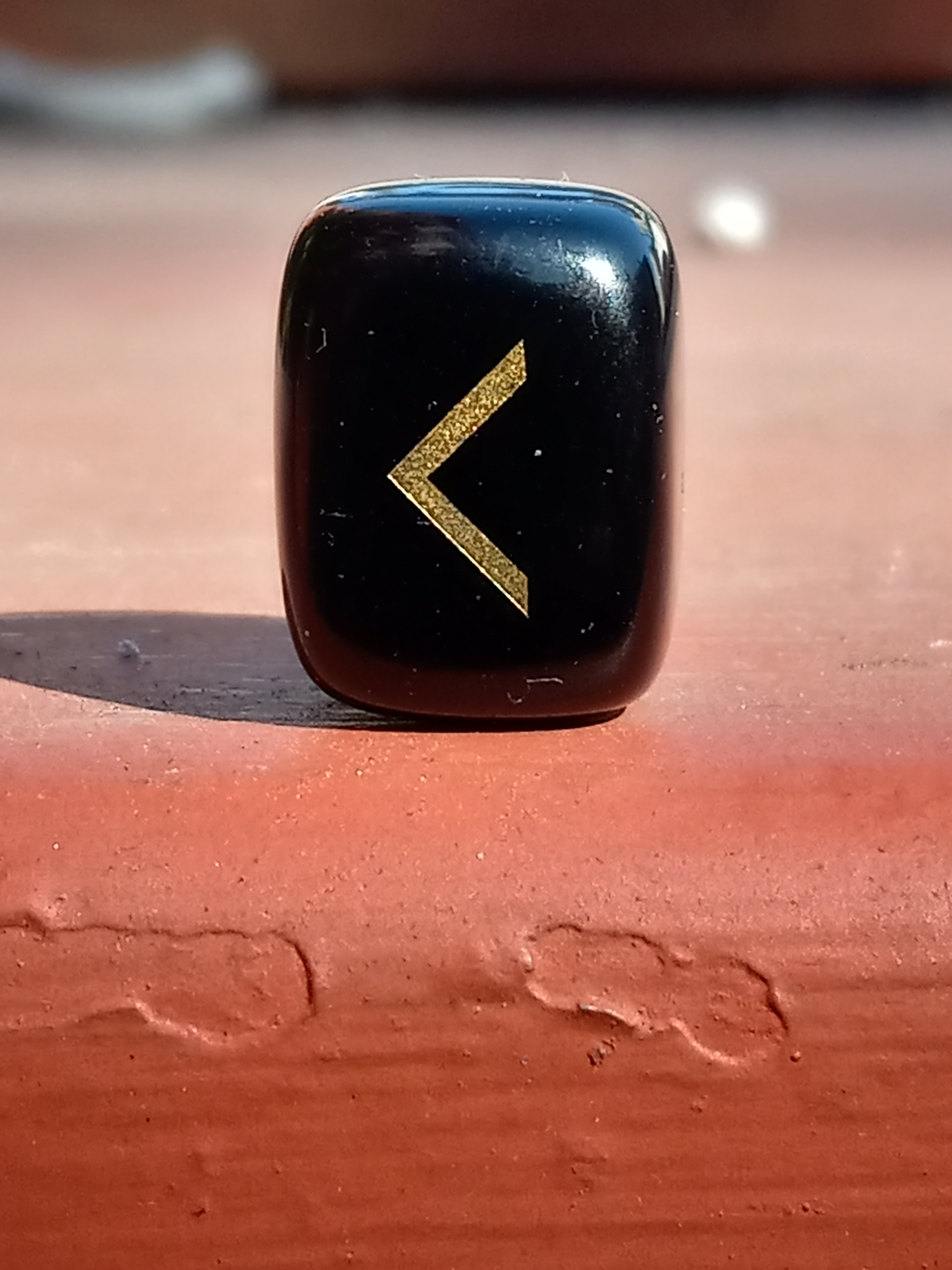
The rune that I’d picked for that day was Kaunaz, or the rune of insight or enlightenment.  As soon as I’d stashed my stuff away, I set out to explore the city and take its picture.  The museum where I’d gotten directions to my hotel from was also a garden, the Jardin Borda.  I returned looking for a good setting for my picture.  There were a few small fountains and shaded walkways. 

One of the fountains was full of crystal-clear water that reflected the surrounding trees and the sky.  Next to it was a twenty-foot skeleton, left over from Day of the Dead, in a black tuxedo.  The lapels of his jacket were decorated with colorful hummingbirds and flowers.  I sat my rune on the edge of the fountain and took a picture.  The sunlight filtered down through the trees.

setting the stones 42

Kaunaz is two angled lines that open like a crocodile’s mouth or the beam from a flashlight.  It is meant to represent enlightenment and insight.  Knowledge will be passed and received.  Like a flash of lightning on a wall, this will lead to an immediate change of perception.  Afterwards, one will have a better understanding of the way forward.  It can also mean passion, or the beginning of a great love affair.  As far as business, everything is progressing as it should.  Destiny has taken the reigns.

When it comes to the healing interpretation, Kaunaz signifies acceptance.  Acceptance is the key to serenity.  When you accept things as they really are, you can begin to live with them.  Always fighting reality is a good way to waste precious energy and burn one’s self out.  You may not be able to change a situation, but you can control how you respond to it.  That is the only way forward.

Since the pandemic, I’d been struggling to make sense of what had happened and where I was now.  It had taken a long time to accept that any good had come from being back in Huntington Beach with my mother.  Because there was no way to fight or change it, eventually I’d been forced to accept the situation.  I’d met some new people, begun surfing, now had some sense of place in the States after years of being adrift.  I didn’t know what to do next, but had to trust it would come at the right time.  In the meantime, I still had four days of exploration ahead of me and there were still five rune stones left.

After leaving the Jardin Borda, I went to find the bus station to buy a ticket to Mexico City the next day.  There was a bus to the Taxquena Station that was leaving at noon.  That would give me the chance to sleep in and get full use out of my room before hitting the road again.  From the station I walked down to the Cortes Palace, but it was closed for repairs. 

There was an open-air market that I strolled through before wandering down some graffiti side streets.  On one wall were Batman villains, the Joker, the Penguin, and the Scarecrow.  There was a rapper smoking a blunt and a female one in an LA hat, standing beside a pit bull. 

I walked past the Palace of Justice, and then returned to the Cathedral of Cuernavaca, which had been closed earlier.  There were some murals I hoped to see of Philip of Jesus, the first Mexican Saint, who’d ended up shipwrecked and crucified in Japan.  Either I was in the wrong place or they were locked up at the moment.  I did see a strange portrayal of the Trinity, three Jesuses sitting side by side, one with a lamb on his chest, one with the sun, and one with a dove.

Out in the courtyard, a group of women were dancing in a circle.  They were having fun and laughing and I didn’t want to get too close and make them feel self-conscious.  I wandered over to a shrine, the Virgen of Guadalupe, and remembered how she had appeared to Juan Diego in 1531, as a dark-skinned Indian.  When the bishop demanded proof, he returned with her image emblazoned on his cloak.  It was this vision that opened up Christianity to the natives of Mesoamerica, the mother of God as one of them. 

There were six candles burning on the altar in front of her.  The light from them spread across the floor of the cathedral and made the shadows dance.

setting the stones 43

There was an Econo Express Hotel in Mexico City that I booked for the last three days of my trip.  At twenty-five dollars a night it was affordable, and also close to the Taxquena Station I’d be arriving at later that day.  My bus didn’t leave until noon, so I walked up to a little restaurant I’d seen the day before, a masterpiece of folk art, called Iguanas Green, for breakfast.  There were murals and masks all over the wall.  I ordered the juevos divorciados and sat back to browse through a paper I’d just picked up. 

More News.  Todos vs Todos.  Everyone against everyone.  Eight people had recently been executed in the state.  A man was killed crossing the street.  A woman was stabbed twenty-eight times.  Another man was shot by his neighbor.  A motorcyclist hit a pole.  A corpse was photographed wrapped up in a blanket.  A centerfold was threatening to show her new tattoo.  Across from me was a green and yellow devil mask, grinning as I continued to read the news.

Around eleven I returned to get my bags from the hotel, and then almost had to rush to get to the bus station, lugging my suitcase up hill, my little backpack weighing more than a dozen bowling balls by now.  The journey to Mexico City was through the mountains.  There was an interesting movie with Justin Timberlake where people use time as a commodity, and once you run out of it, your life is over, not much of a stretch, really.

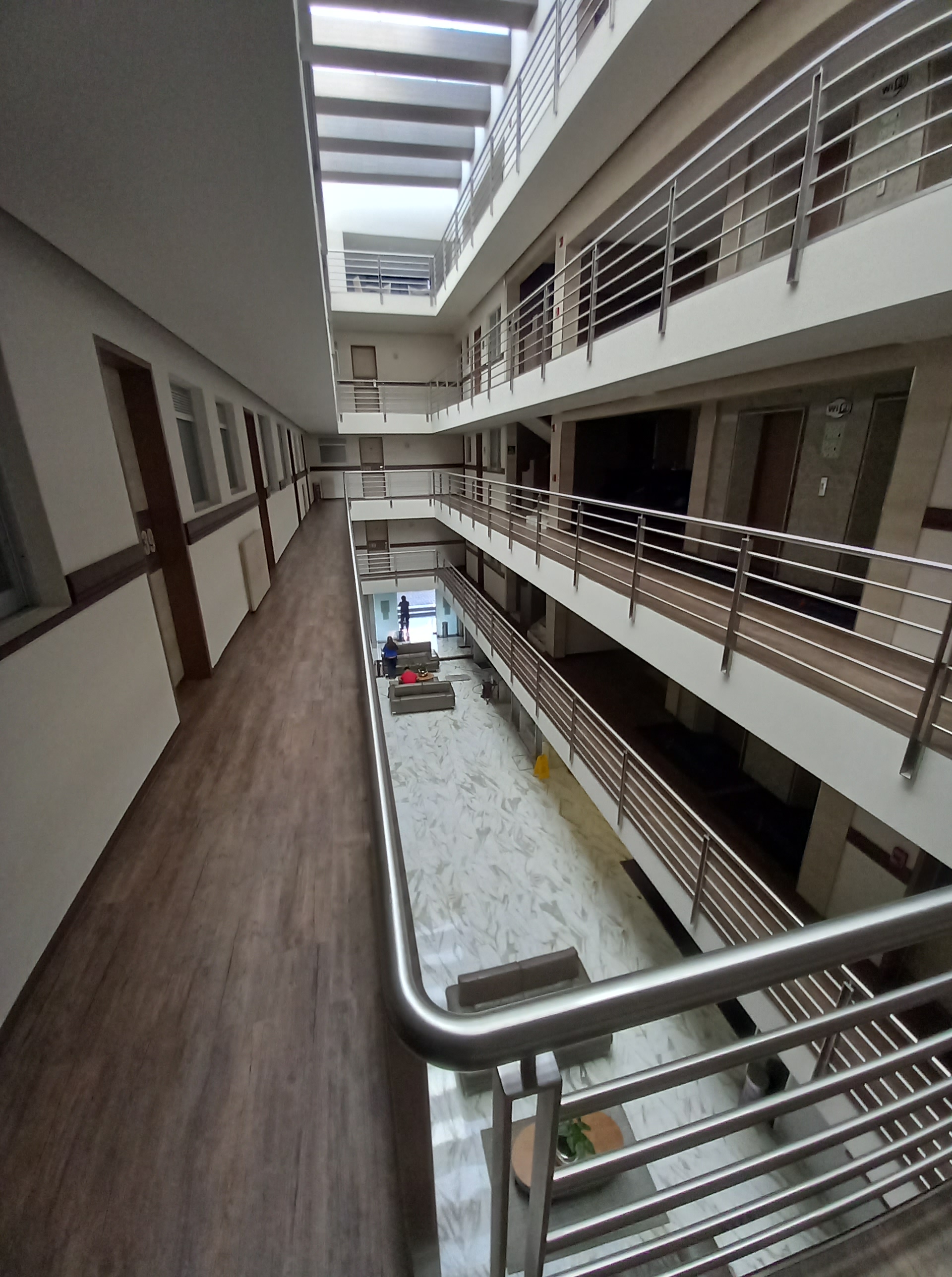
When we arrived at the bus station, I decided to pay for a taxi, rather than risk all of my equipment and documentation being stolen by riding the Metro.  The Econo Express Hotel was on an ugly, busy street but was OK, a small, but fully stocked room.  Looking out of the room, at all the railings and doors, the hotel looked something like a futuristic prison, but I felt happy and safe to be confined inside it.

The rune for the day was Mannaz, or the rune of mankind.  Before leaving Cuernavaca, I’d taken a picture of it by the pool, so that was done.  I went out walking on Calzada de Tlalpan and noticed that there was a Walmart that was adjacent to the hotel that was advertising COVID tests.  Even though it had been a year and a half since the pandemic stuck terror into the heart of the human race, and even though I’d been fully vaccinated, I still needed to produce a negative COVID test to board my flight back to America.  I tried to track down where they were doing the tests and it seemed to be in the parking garage.

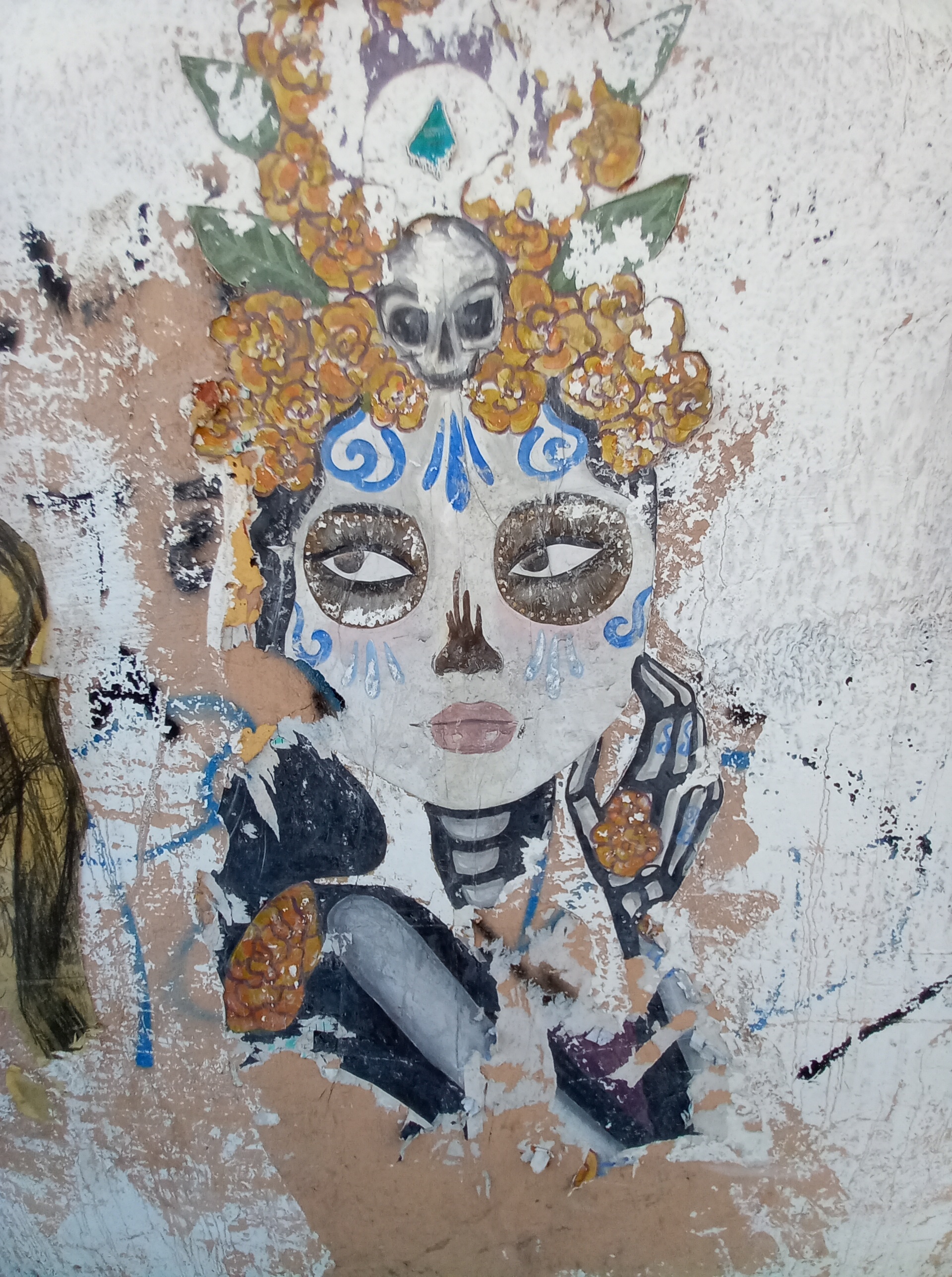
From there, I kept walking, now seeing where the Metro stop was.  There was a mural of an Aztec priestess, with two strips of blue paint across her face.  I passed another mural of a woman dreaming on the side of a building, beneath the real clouds.  Then there was a third of a woman nursing a baby, the Milky Way flowing out of her long, black hair, including an island of clouds and a peace sign.

Next up was the California Dancing Club.  It looked like there was dancing every Friday, Saturday, and Monday, from five until ten at night.  Lastly, there was a fourth woman, sitting in a green towel, blue and pink flowers springing from her fingertips.  It was welcoming art in a rough corridor of the city. 

What I might’ve been expecting to see was some of the violent images that feature on the front pages of the newspaper, but nothing like that was happening, at least not at the moment.  Instead, it was just people going about their daily lives, returning from work, shopping, stopping for dinner.  I looked for something to eat.