Category Archives: Travels

setting the stones 6

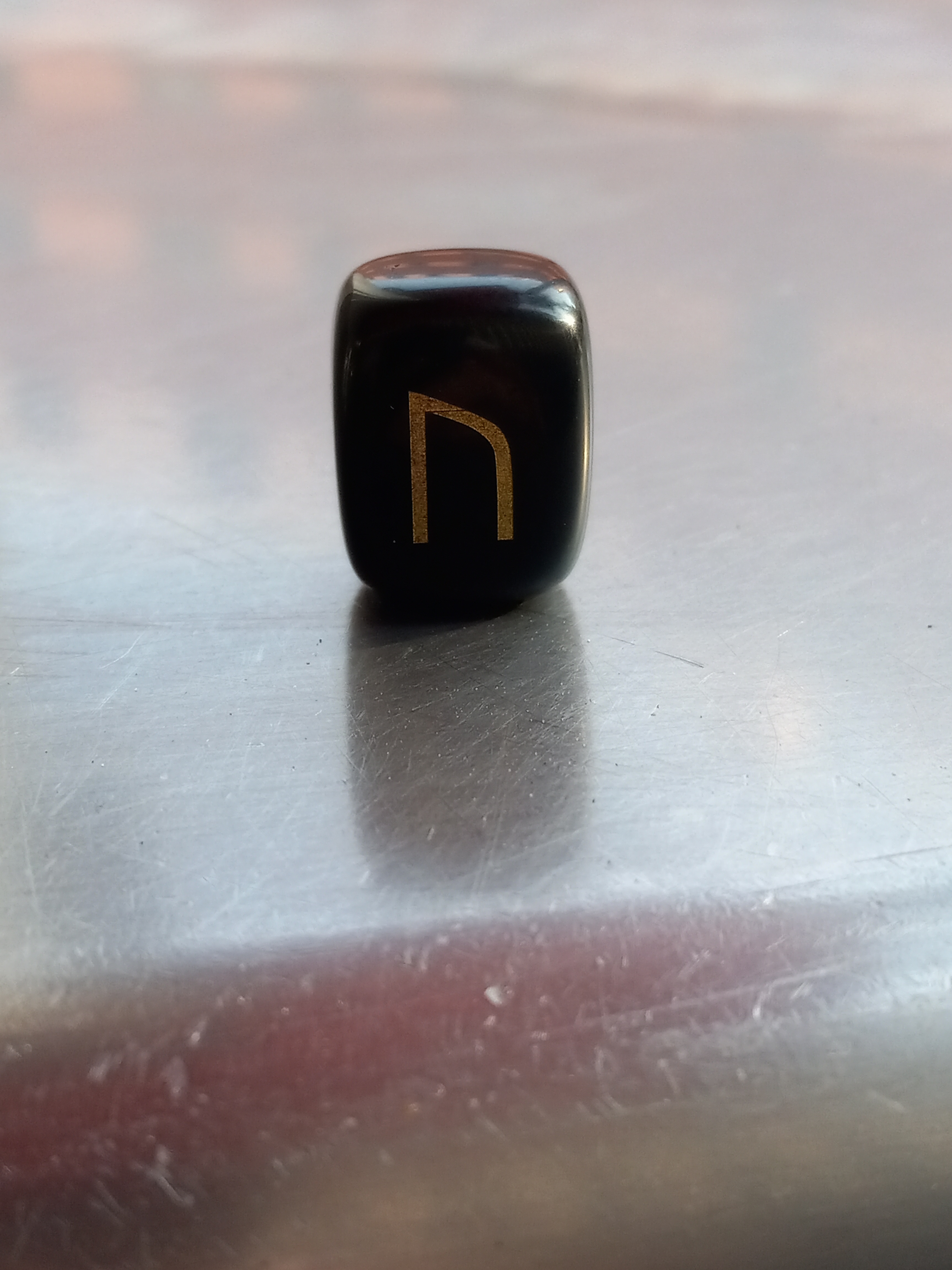
The rune that I picked for that second day of the trip had been Uruz.  It resembles something like an upside-down U.  Worried about losing it in the mob at the parade, I’d just taken it out front of the hotel and photographed it on a table next to a taco stand.  It could’ve been more dramatic than that, but I was just getting started.

Uruz represents an irresistible, untamable power and is symbolized by the great, wild bulls that once roamed Europe.  It belongs to the month of February and represents the Horned Moon.  It is a sign of improved health and vitality, an assurance to those who have been sick and ailing.  It is also a symbol of formidable will and the power to overcome obstacles.  Confidence will be restored, and once this happens things will seem to move along on their own.  It is like starting a snowball rolling, easy to start, very difficult to stop.  For this reason, those who wish for change must be certain of what they want.

When it comes to the healing interpretation, Uruz is aligned with gratitude.  There are blessings every day if you know how to recognize them.  Too often we get caught up in the negative, only reacting to the things that haven’t gone our way.  For most of my life I’d been desperately happy with myself and the situations I’d found myself in, constantly feeling thwarted and unappreciated.  Yet when I looked back on it, I’d been able to achieve most of the things I’d set out to do, even if it sometimes meant waiting for years. 

The parade hadn’t turned out like I’d hoped, but the fact that I’d made it there at all was something to be grateful for.  At least I could check it off the bucket list.  When I came up from the subway I was disoriented, until I recognized the coffee shop across the street where’d I’d stopped in the morning.  Perhaps there was still power in my spirit, but my body was beat.  I was dragging myself down the sidewalk, when my stomach suddenly shifted. A case of Montezuma’s Revenge had viciously gripped my bowels.  It was those Day of the Dead tamales, for sure, acting like arsenic.  Just when I thought I couldn’t walk with a stiffer gait.

When I got back to my neighborhood, I got confused.  My silver death mask was perched on my head and I was wiping the sweat from my face with a black skull bandana I’d picked up at the parade.  I was only blocks from the hotel, but didn’t recognize anything.  There were no restaurants or bars that I could limp into either.  The situation was serious.

By the time I finally reached the hotel, I was walking as if my legs had been tied together.  The steps might be a problem.  I approached them with the deliberation of a chess master.  Then I reached the room and fumbled for the key.  The danger could not have been any greater at that moment.  Usually, it is there in the homestretch that all systems decide to release at once. 

Then I was in the room, tiptoeing towards the bathroom, finally yanking down my sweatpants and leaping backwards towards the toilet, only clearing it by a centimeter.  I sat there in the darkness for a half hour, soaked in sweat, nearly weeping with gratitude.
setting the stones 7

The year before I’d decided to get serious about my Haunted Rock enterprise, and begin to treat it like a business for the first time in my life.  Before all else, however, I’d needed to set my house in order.  On November 1st, the day of my official embarkation, I’d gone down to the Huntington Beach Pier and drawn a circle in the sand beneath it, a feather, a candle, a glass of water, and a flower, to mark the four directions. 

Then I sat in the middle of it and prayed that God’s will be done.  If it was not God’s will that my business should prosper, I could live with that.  What I could no longer do, however, was blame myself for not making money at art.  Who can?  Not many people.  I’d been patching it together all these years and could continue to do so, but really needed more help that what I’d gotten, and had always been afraid to ask for it.  Now I was asking. 

That afternoon I had my sister bring her face paints over and we went down to the drum circle, dressed up to celebrate Day of the Dead.  This year I was in Mexico City for the real thing.  In a funny way, that seemed like progress.

The plan for the day was to head to the Zocalo.  The closest Metro stop was Chilpancingo.  I rode the 9 train to Chabacano and then the 2 north to the Zocalo stop, exiting right in front of the Metropolitan Cathedral.  The whole area around the Plaza de la Constitucion was once the Aztec city of Tenochtitlan, which was conquered in 1521 by the Spanish conquistador, Herman Cortez.  The construction of the cathedral began in 1573, and though it has withstood earthquakes and fires, still looks like it could collapse in on itself given the slightest tremor. 

I entered beneath the Gothic belltowers, and walked past a statue of a woman in a glass case, that of anima sola, or a lost soul in purgatory, praying to be granted safe passage to heaven.  Next, I passed Jesus Christ crawling towards Calvary, weighed down by the cross, a silver crown of thorns pushed over his head, blood gushing from his face and forearms. 

An ofrenda is an altar built to remember those who have passed on.  In Mexico they are often very personal and reflect the personality and passions of the ones they were built to honor.  There was an ofrenda in one corner of the church draped in colored papel picado, or tissue paper cut into interesting and appropriate designs.  On it were a crucifix, candles, plates of fruit, and pictures of departed clergy, including one of Pope John Paul II.  In the courtyard was a statue of him, clutching a staff, his cloak wide open, encompassing the figure of Mary, her hands clasped in prayer.

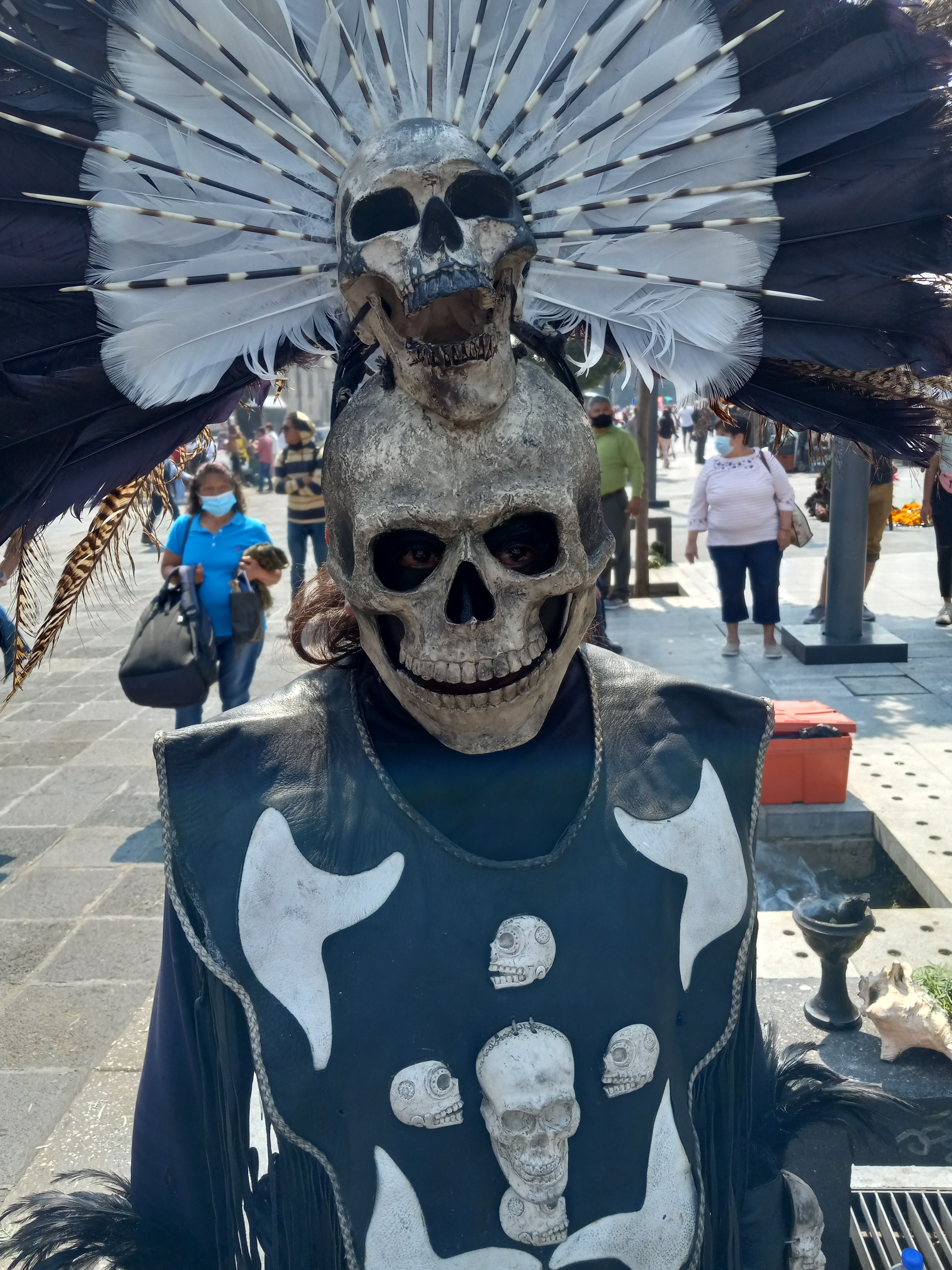
Right outside of the Catedral there were a few tribes of Curanderos, or native healers, some elaborately dressed in Aztec headdresses, rattles on their legs, their faces painted like skulls, dancing, and waving incense in the air.  I approached the most impressive of the lot, dressed in black leather, a second skull perched on his skull mask, brown and black pheasant feathers rising over his head. 

I had some money for him waiting in a clenched fist.  The man removed his mask and blew on a conch shell.  He then took a bundle of sage and smudged me, meaning cleansed me with its smoke.  The mystery of the church, side by side with these indigenous folk healers, create a level of magic that has been sanitized out of existence in America. 

Cheerful skulls, calaveras, were all around, an acceptance that death is part of life, as opposed to something to be feared or hidden away.  The most famous icon of the Day of the Dead, Catrina, the smiling skeleton with her feathered hat and colorful dress, was twenty feet tall, beside a concert stage that was being set up for the day’s performances. 

There were a number of exhibitions in the plaza, one of strange creatures, another of flowered carpets, a third of ofrendas from the different regions of Mexico.  Every doorway I passed by featured its own personalized altar, sometimes filling one or two rooms.  An organ grinder with a death mask smiled at me and held out his hat for a tip.  Gladly, I let him know.  Gladly.  He passed by, his moustache curled on both ends, eerie music piping down the boulevard, a regular circus on wheels.

setting the stones 8

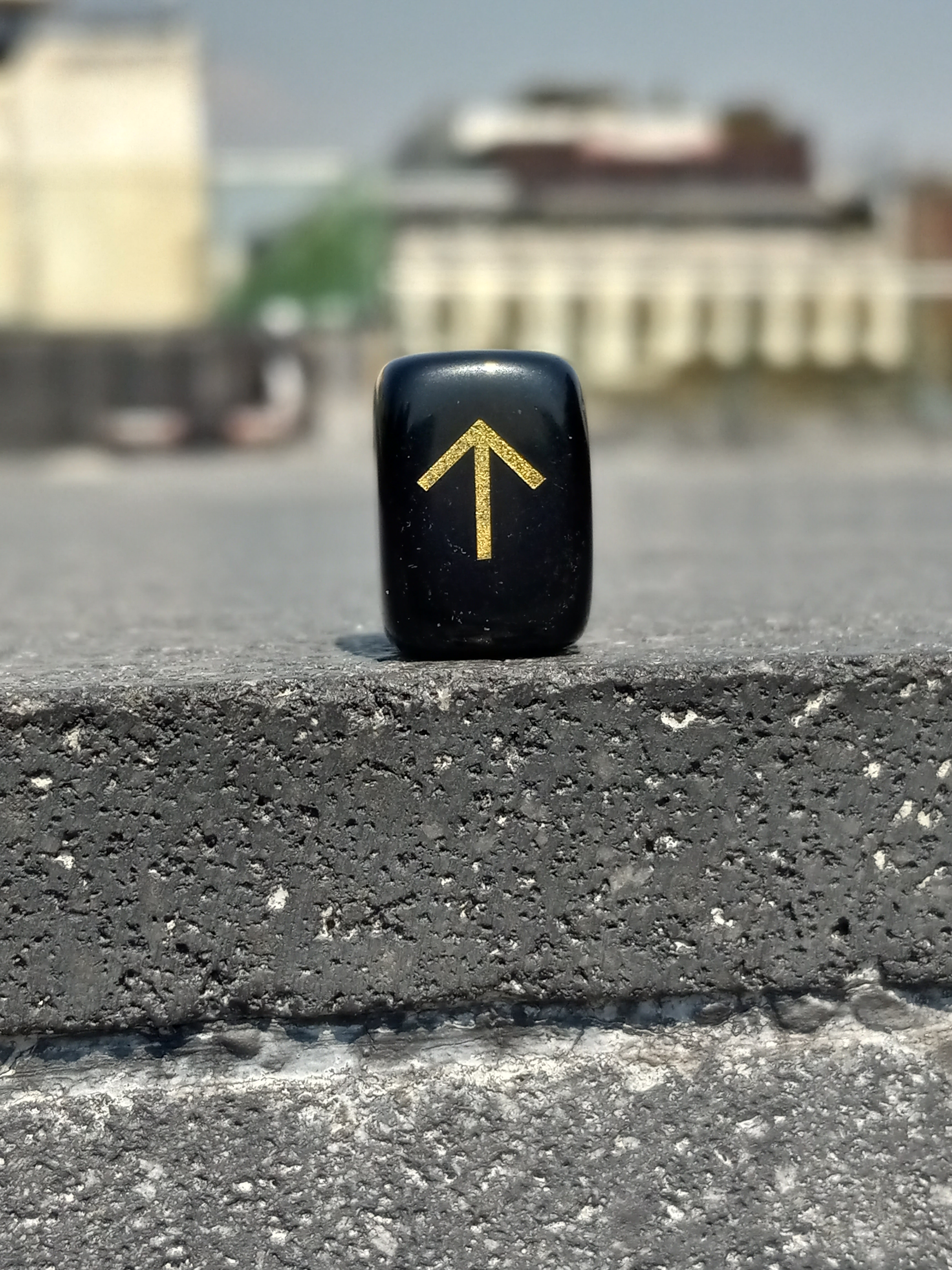
The rune that I had drawn that morning had been Tiwaz, or the rune that symbolizes commitment.  I’d wanted to get an interesting picture of it, so had carried it to the Zocalo with me.  After strolling through the ofrendas in the plaza and passing the Cuanderos once again, I headed over to the Templo Mayor, all that remains of the Great Temple of Tenochtitlan.  The museum was closed but the ruins outside were free to explore.  I set the rune of a stone wall and took its picture in the bright sunlight. 

Tiwaz looks like an arrow pointing up and is related to the Norse god of war and the North Star.  It represents a fight that needs to be fought, one that is just and necessary.  It is a rune of promises and vows that are not to be taken lightly, a bond that cannot be easily broken.  To draw this stone means commitment to a cause that you believe in.  If you believe in it enough you will find the strength to carry on.  Your chances at success correlate to the conviction you hold.  Fight because you must.

When it comes to the healing interpretation, Tiwaz represents courage.  What is courage?  Not the absence of fear.  No.  It is moving on in the face of it, taking a leap into the great unknown when necessary.  There is sometimes only a very thin line between courage and foolishness.  I’d crossed it so many times it was hard to know which was which. 

On this day, the rune spoke to me, embarking on a new project, willing to learn something new.  If adventures came easy, everyone would have them.  The fight to make art had given meaning to my life.  Did it matter if it was giants or just windmills that I’d been battling?  Perhaps, not.  Call the adversary what you will, the war had been real.  The damage couldn’t be just wished away, but neither could the insight.

On my first trip to Mexico City, many years ago, I’d spent my first night next to Garibaldi Square, the place where all the mariachis meet up to perform.  I’d already drank two 40 ouncers when I ran into some young guys with a bottle of brandy and cigars.  We’d gone staggering through the streets together, and one of the last things I remember is falling into some garbage cans, before waking up on the bathroom floor of the hotel with the worst hangover of my life. 

Now I wanted to revisit Garibaldi, just to track down the musicians, not repeat my performance.  It was just three metro stops away.  I needed to take the blue line to the green line and transfer at Bella Artes.  The underground Metro was a museum, both of ancient stone figures and modern street art.  A group of pointed-head warriors, with bonnets and spears, stood in a line along one wall.  A great mechanical god, born of pistons, stared out of another. 

There was a mural of Juan Diego, the peasant who’d been instructed by the Virgin Mary in 1531 to build a temple for her.  Gathering roses in winter to prove the miraculous nature of his claim, and then carrying them in his shirt, once he dropped the roses, the imprint of Mary remained.  This image became known as the Virgin of Guadalupe and is worshipped to this day. 

As I exited the subway, I passed a montage celebrating Mexican boxing, and then stood there blinking in the sunlight. Garibaldi Square was still five blocks away.  It was a quiet day.  Only one group was out, dressed resplendently in their three-piece suits and polished boots, despite the fact that they were only playing to a small group of homeless drunks that sat clustered around a bench.  It must’ve been a charitable act that they were doing, playing for the bums, and when I passed by, I got cat-called by a man so wasted he could barely see straight.  I walked over and paid for the next two songs and that changed his tone.  He suddenly recognized me as a long-lost brother.  My feet were already numb with pain.

There was a mariachi school and statues of some of the famous performers; Pedro Infante, Jorge Negrete, Jose Alfredo Jiminez, and others.  Walking past the Museum of Tequila, I happened across a scuffle.  A homeless man got into it with a teenaged boy, and then a man and woman ran out and attacked the homeless man.  The three of them got the better of the vagabond, and when he was down on the street the other man kicked him three or four times in the side with his boots.  Not something you see every day in Mexico City, but violence does happen.

When I got back to the hotel, I looked at a newspaper I’d picked up in the Metro.  The first three or four pages were full of bloody corpses, those who had been executed in drug warfare or run down on the road.  A famous actor had just been shot in the head by the police.  A dead man was lying next to his bicycle, his entrails spilling on the ground.  A mariachi lay dazed on the ground after a robbery attempt, red blood soaking his white tuxedo.  Four bodies had been found, naked and tortured.  Then I turned to a centerfold section where a blonde woman was showing her ass.  Just like Day of the Dead, here was something to celebrate in the midst of all the carnage.

setting the stones 9

Although the two days of Day of the Dead, November 1st, and 2nd, correspond to the church holidays, All Saint’s Day and All Soul’s Day, the way it is celebrated in Mexico is its own rare hybrid of European and Aztec traditions.  The art and pageantry that have sprung from it have spread to other countries as well.  Day of the Dead is almost a state holiday in parts of California. 

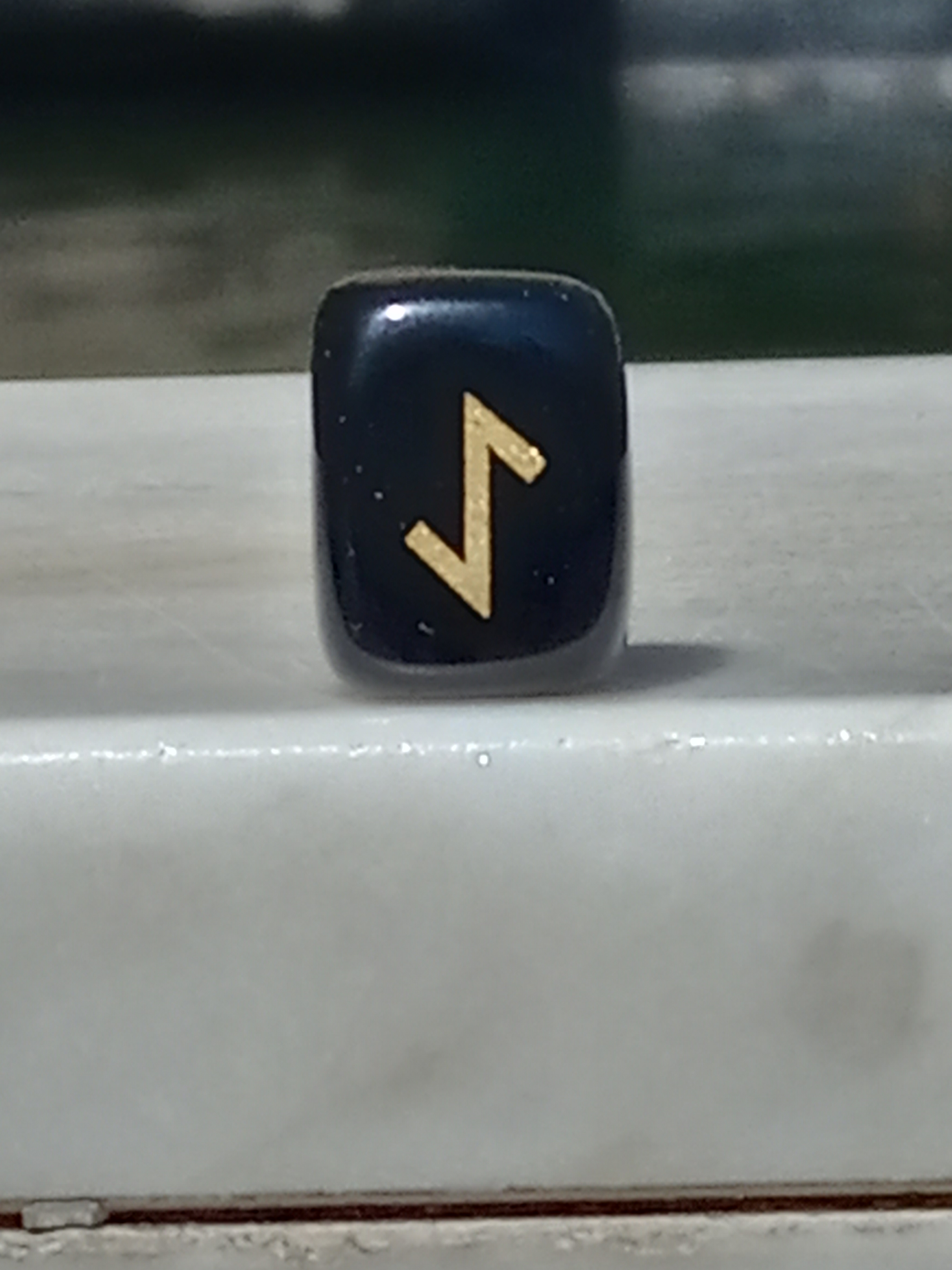
Having already spent time at the parade, the Zocalo, and Garibaldi Square, I was looking for a unique way to celebrate the last day of it, and hoped that the Museum of Anthropology would be open.  Before I set out for the subway, I drew a stone from my bag of runes and came up with Eihwaz.  I took it with me, hoping to find an appropriate location for a picture.

The Museum of Anthropology is in Chapultepec Park, not far from the parade route of a few days ago.  On the subway traveling there, I passed the same blend of ancient and modern street art that characterizes so much of Mexico.  Great escalators passed from floor to floor.  On the wall were idols made of jewel, robotic ancestors of man, seemingly carved from rock, yet fluid, a line of conquistadors, ready to rampage in style, immaculately pressed, their helmets gleaming.  When I reached the museum, I took a picture of Eihwaz, sitting on the fountain in front of it. 

There was a long wait to get in, over an hour.  My feet were already hurting.  It must’ve been the shoes, designed to look like flexible mesh, instead little instruments of torture, Iron Maidens to slip on your feet.  While I stood waiting, a troupe of Mexican Voladores, or pole flyers, were getting ready for a performance.  The ceremony they were about to perform goes back 450 years, and though there are different interpretations of it, the hundred-foot-pole is the tree of the world, and the flyers are birds in their colorful costumes.

One of the Voladores remained on the ground, dancing and playing the flute, while the other four ascended to the top and attached themselves to a rope.  The pole began to spin and they let themselves over the sides, upside down, spinning in longer and longer circles until they finally reached the ground.  I’ve seen the demonstration countless times, and will run to watch it each time it’s performed.  These were the original stuntmen, risking their lives to appease the rain god.

I’ve been to the Museum of Anthropology three times by now, and knew that the wait to get into it was well worth it.  It has one of the most complete and imaginatively displayed collections of Pre-Columbian art in the world, as well as vivid exhibits on the folk-art and religious practices of the various regions in Mexico.  Some of the wings of the museum include the Preclassic Central Highlands, Teotihuacan, the Toltec, the Maya, Oaxaca, the Gulf Coast, and Northern Mexico.

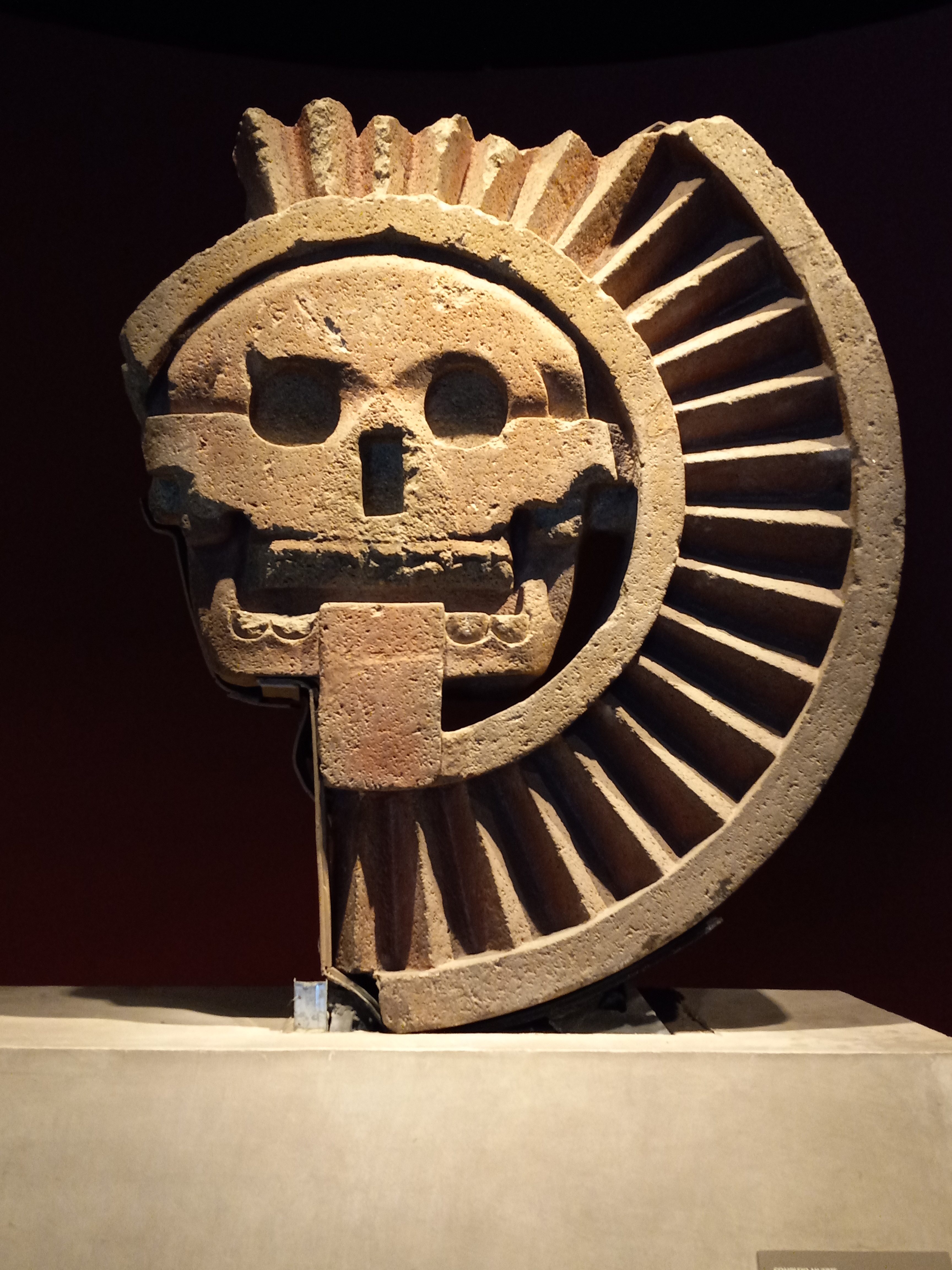
Once inside the museum, I passed through the Umbrella Courtyard where water spills to the floor from a giant inverted fountain.  I passed through a section on the origins of man, visited a display of folk altars, passed displays of mannequins, recreating village life or ceremonies, took pictures of masks and instruments.  There were ofrendas and dancers, frozen in the midst of colorful festivals. 

Downstairs it was mostly about stone, great Olmec heads, Mayan calendars, blocks from the temple walls, figures carved from rock and sculpted from clay, spreading their arms, sitting hands on knees, mouths wide open, thrusting out their genitals, eyes wide open, yet fathomless. 

When I got back outside, the Voladores were getting ready to go another round, but there was also an Aztec dance troupe performing.  The lead dancer had an elaborate jaguar headdress, crowned with pheasant and eagle feathers, along with bangles on his elbows and knees, a breast plate of bone, a codpiece with a skull, and stacks of shells around his legs.  He started off kneeling in front of a small fire and then began blowing into a conch shell.  Behind him was a circle of marigold flowers and another dancer playing the drums. 

The trip had already been everything I could’ve hoped for if the plan had been to immerse myself in the culture of the Day of the Dead, and it was just beginning.

The zoo was nearby, and though my feet were nearly too pinched to bear, I wandered over and saw that the flow of traffic through it had been limited by COVID restrictions.  You could now only go one in one direction and had to stay on the designated path.  There were too many people packed in, doing anything they could to get the animals’ attention. 

One monkey appeared to be having a nervous breakdown.  A jaguar lay in a stupor against the wall.  The parrots had lost their spark, and looked frazzled and bleached out.   In one empty cage a zoo worker was doing maintenance work.  That was certainly the most curious animal of all, busting his ass like that while everyone else just gaped and waved.  One would hope he’d get some privacy on his lunch break.

setting the stones 10

Eihwaz looks a little bit like a tilted inverted Z.  It represents progress and is meant to represent a bow.  It is related to Ullr, the Norse god of hunting who lives alone in a valley of yew trees.  Some see him as the dark aspect of Odin.  Drawing this stone, means that you are on the right track.  Some patience is required, because things may seem to be moving too slow.  You need to be like an archer and wait until the target is within range before taking your shot.  It is the right time to gather your courage and take a risk.

When it comes to healing, Eihwaz relates to denial.  Before you know what you want, you need to take an honest look at where you are and where you have been.  Be forthright about your pain and fear.  Obviously, you can’t get what you desire if you don’t know what that is.  That sounds funny, because we often think we know what we want or what would make us happy, but do we really?

Most of my life I could’ve told you what I wanted but had no idea how to get it.  If I did get to it, which I often did, it would’ve come about in the most drawn-out and painful way possible.  I might’ve claimed to be paying my dues, which I was, but how much of my failure to get across was a result of my own fear and insecurity, the deep feeling I held onto that I didn’t deserve good things to happen to me.  In a few years I’d be too old to keep holding back the arrow.  It was time to let it fly and see where it landed.  That was happening right now.  I was letting it go.

Day of the Dead was drawing to a close, but there was still one activity left that I looked forward to, and that was going to see Lucha Libre at the Arena Mexico.  Lucha Libre is professional wrestling, a little more airborne and acrobatic than its North American counterpart.  The Arena Mexico is the place to see it, as it is the great Mecca of wrestling in Mexico.  After resting up at my hotel for a few hours, I set off on the subway again.  There was one transfer to get there.  The stop was Balderas.

I ended up way too early, scalping tickets off the street.  It was unfortunate that I was on the wrong side of the building.  When I walked around it, I came to the box office, where I could’ve gotten better seats at a cheaper price.  Now I was stuck in the balcony section.  The vendors were only beginning to set up outside, hanging up T-shirts and masks, arranging dolls and other souvenirs on the tables. 

I walked across the street and ate at a cafeteria, ordering enchiladas and orangeade, and then finishing it up with cheesecake.  The waitress was cute.  I flashed my ticket at her and said Vamonos, or We go!  She laughed and said, Not today, Caballero.

It was a big hassle to be up in the balcony, because they wouldn’t let me into the historical lobby with all the great paintings of luchadores past and present.  I tried to sneak in on a pretext, but the doorman was firm.  On my third attempt, I was allowed to take some pictures from a distance.  I had pictures from an earlier trip that I’d have to look for later.  What could I see?  A masked superhero throwing an alien over his back.  A jaguar clubbing a conquistador.  A human torch doing a back flip and soaring through space. 

Two men were asking me to move on.  If I didn’t honor their request, I’d soon be participating in a lucha libre of my own.  A gringo slapping a yellow jacket.  Two yellow jackets double-teaming the gringo and tossing him out the door.  The gringo tearing his shirt and making threatening gestures from the sidewalk.  Who wouldn’t pay to see that?  I’d print up my own T-shirts.  What would they say?  Don’t try to live this way.

From where I sat, the ring seemed fifty yards away.  The show they put on was a good one, however.  Dia de Muertos at the Arena Mexico.  Talk about a classic.  The presenters, three men and two women, all came out in calaveras, or black and white skull faces.  The women wore the dresses of Catrina.  The men looked like mobsters.  An army of green dragons came out during the opening ceremony. 

The fight started with two midgets, Pequeno Dragoncito against Mercurio.  They jumped high and did spins in the air.  Everyone hooted and laughed.  Next was a tag-team matchup, four great musclemen, the Four Horseman of the Apocalypse.  Now the women, more vicious than anyone, Arana against Demonia.  It was great but I was so far away.  I decided to see if I could try to get down to one of the lower seats, but once I left the building, I couldn’t get back in.  That was my penance for scalping a ticket. 

My feet were burning in my shoes anyway.  If I ever made it into the ring, I’d try to trade shoes with my opponent.  Then when he was bent over, grasping his feet in agony, I’d deliver a dropkick to the chest.  I’d raise my hands above my head and the crowd would chant my slogan.  You know the one I’m talking about.  Don’t try to live this way.  Don’t even think about it, amgio.  Just don’t do it.

setting the stones 11

My feet ached all night long.  The tips of my toes felt like they’d been frostbitten.  More than just the wicked design of my shoes, a mutant strain of aggressive arthritis had been circulating through my system for the last fifteen years, showing up at random intervals to viciously disable the joints in my legs and elbows.  I suspected gout but had never tested for elevated uric acid.  Although autoimmune diseases run in my mother’s side of the family, I hadn’t tested positive for any of those either.  What could be the cause then, outside of a direct attack by the Devil?

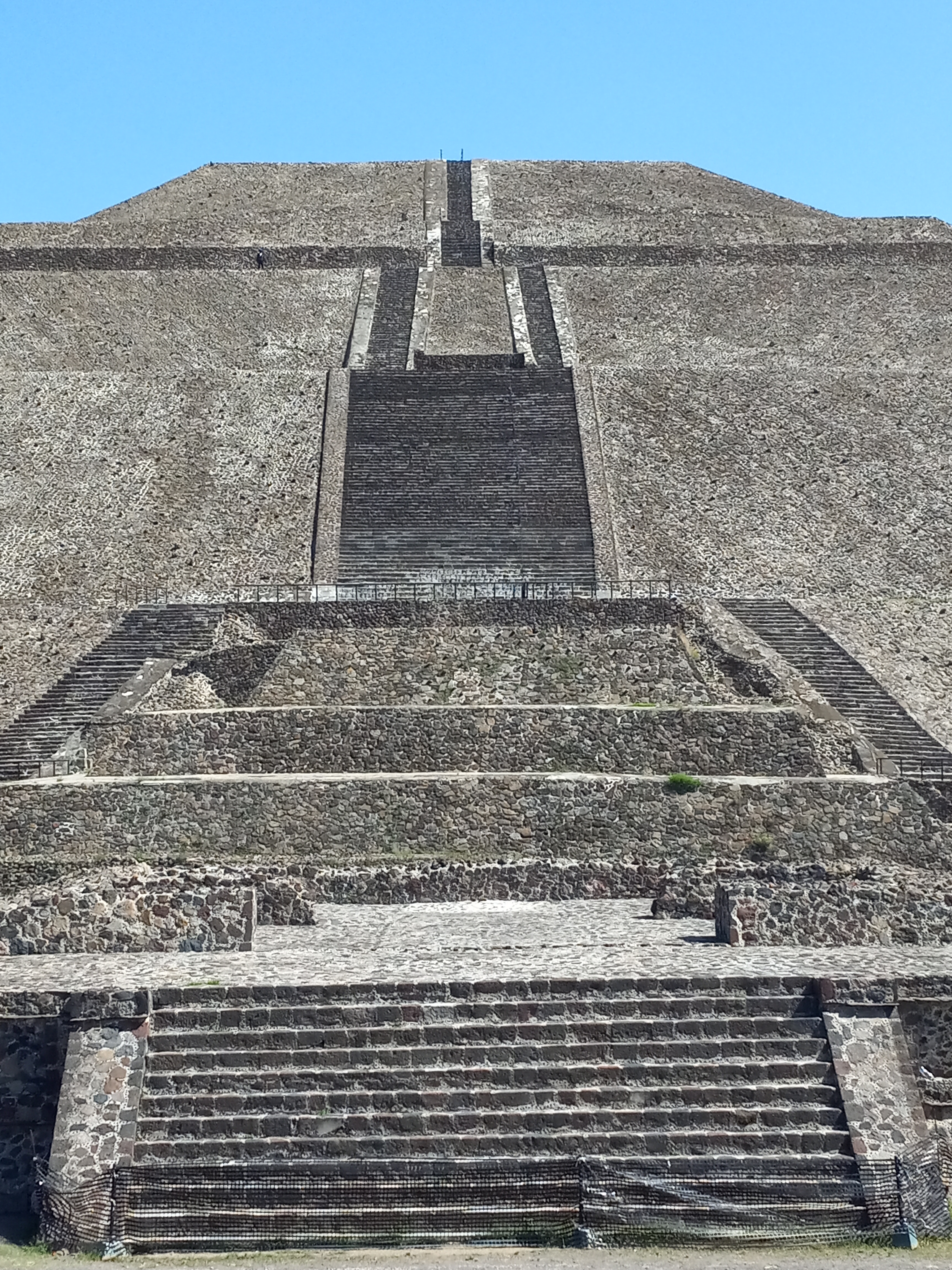
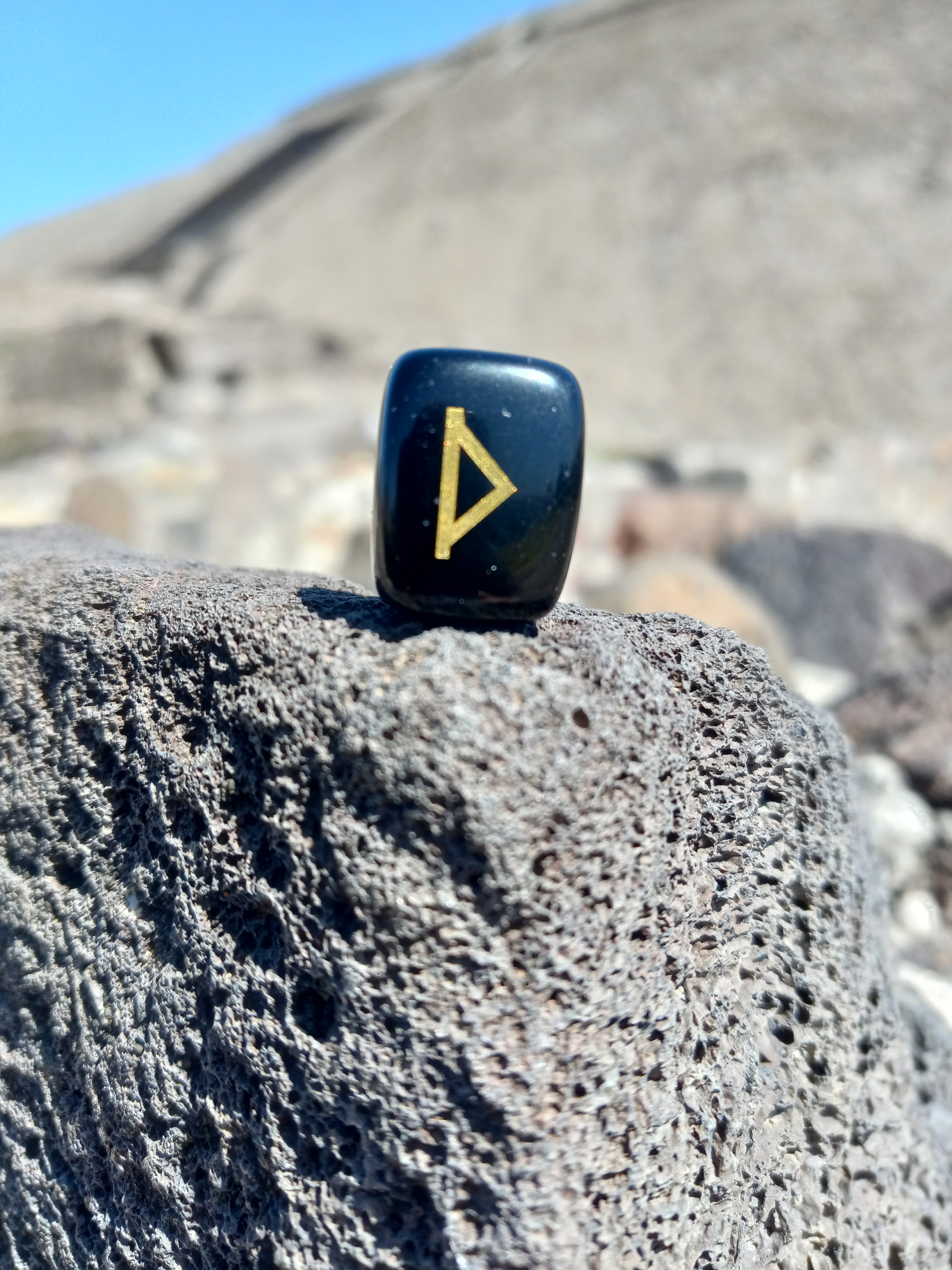
That day my plan was to travel to Teotihuacan, the ruins of the great Mesoamerican city and site of the Pyramid of the Sun and the Pyramid Moon.  I’d been out there a half dozen times by now.  The plan was to draw a rune and take it to the ruins.  The next day I’d be leaving for Cancun and the pyramids of Chichen Itza and Uxmal on the Yucatan Peninsula.  The rune that I picked for that day was Thurisaz, the rune of self-defense or boundaries.

At the turn of the millennium Teotihuacan was the largest and most culturally advanced city on the planet.  It was known as birthplace of the gods and was considered the center of the universe.  To get there I had to take the Metro Line 9 to the 3 to the 7 and get off at Autobuses Del Norte.  There was a direct bus to the pyramids, Autobuses Teotihuacan, with about thirty people waiting in line.  It seemed to take a long time to get out of the city.  When we arrived, the bus dropped us off outside Gate 1. 

On this day the vendors were not being aggressive.  They sat strewn in the scant shade, giving half-hearted cries, only slightly lifting their heads.  I got on the Avenue of the Dead and started towards the Pyramid of the Sun, past the Patio of the Four Temples.  There were a series of walls to walk up and down.  I passed a ring of stones, like the site of a campfire and then a giant anthill where red ants were streaming in and out, like miniature versions of the people who had once ascended and descended the two pyramids in the distance.  On this day, no one was climbing up and down them, however.  They had been roped off, due to the pandemic.  That was an enormous buzzkill.

The last time I’d been to Teotihuacan, I’d reached the top of the Pyramid of the Sun, at the same time a religious cult was occupying it with New Age praise songs.  The view of the valley is the one you travel to see, mysterious fireworks or gunshots often ringing out in the vicinity.  This time there was no such excitement, only a few vendors at the base of it.  I found a spot to take a picture of my rune stone, then took a few selfies wearing my undynamic skull bandana, which hung from my nose like a tablecloth. 

I walked down to the Pyramid of the Moon just to do it, but it too was closed.  My feet felt like the description of the dying person in the Book of the Dead, both freezing in ice water and boiling in hot water at the same time.  A vendor came out from behind a rock with a jaguar whistle and tried to entice me with a seductive roar.  Not on this day.  Although the closure of the pyramids was a disappointment, I’d still gotten what I came for.  I decided to head back to the Templo Mayor in the Zocalo while it was still early.

Back at the bus station, there was a great shrine to the Virgen of Guadalupe at the entrance.  You see this protective deity at most places of transportation in Mexico.  It was a long walk through the subway when I went to transfer trains. 

On the wall of the subway there was a series on futuristic monster-creatures, born in laboratories.  It was something out of the Matrix.  Some dark mind had gained access to the greatest public forum in the city.  There were babies with lobotomies, a kitten hooked up to a generator, two cyberpunks with laser glasses, ready to blow up the planet, and yet real life was much scarier than that.  Dragging my damaged feet across the tile floor, I exited the turnstile.

setting the stones 12

The most common set of rune stones in circulation today is the Elder Futhark, named for the first six stones in the collection of twenty-four.  Each stone is a letter of the alphabet, and the twenty-four stones are broken into three groups of eight called Aett’s.  The first group is called the Frey’s Aett, the second is the Hagel’s Aett, and the third is the Tyr’s Aett. 

Thurisaz is the third stone in the first set and represents boundaries.  It resembles a thorn, which are often planted along walls to divide properties, or anything that pierces or makes a strong defense, such as a sword or the fang of a snake.  It speaks to the importance of keeping personal boundaries, and also a warning to take no unnecessary risks.  One should be sure they are not acting against their own best interest by making hurried or uninformed decisions.  A proper assessment is in order before taking any action.

In the healing interpretation, Thurisaz represents wisdom.  Usually, wisdom only comes about through hard-fought experience.  As the saying goes, once bitten, twice shy.  Wisdom can’t always give the solution to problems as much as offer the best approach to take to them.  Of all the gifts that Solomon could’ve asked for, he chose wisdom and it led to him being the wealthiest and most well-regarded man on the planet.

If anything, I’d spent too much of my life defending myself from commitments and alliances of any kind.  What had often been my experience was that others either got in my way or slowed me down.  It had reached the point where I could no longer live without the involvement of others, so I would need to make some concessions.  Where to start?  Perhaps staying in one place long enough to make allies.  There had to be others out there who felt the same way.  It is possible to protect yourself so much you cut yourself off from the source of life.  That was my quandary.

To get to the Templo Mayor from Autobuses Del Norte, I took the yellow line to the olive one to the green one, exiting at the Zocalo, past the same healers, or Curanderos, from the day before.  Outside of the museum, I walked along the labyrinth walls of the old city. 

Inside, there was a wall of skulls at the entrance, then an exhibit of a funeral site, shells, stones, animal bones, teeth, clay gods and pots.  Next to it another funeral display, three skulls strewn amidst a collection of stone idols.  There was a wall of flint knives, used for human sacrifices.  Now a skull with stones for eyes, looking like they were popping out of the head, and stained teeth.  There was a coiled stone serpent, in a case a stuffed golden eagle, a coyote, a bobcat, a jaguar, animal spirits and Aztec gods. 

In the lobby were two busts, one of the Spanish conquistador Cortes, and another of the Aztec king, Montezuma.  These are the fathers of the Mexican people.  In 1519, Cortes landed on the Yucatan Peninsula with five hundred soldiers and then founded a base in Veracruz.  He made alliances with a few tribes before marching on to Tenochtitlan, slaughtering thousands along the way.  Montezuma welcomed the invaders, but was placed under house arrest.

Cortes was then called away to battle other Spanish forces, and in his absence his subordinate, Alvarado, butchered many of the Aztec warriors and nobility.  This started a rebellion and many Spanish forces were killed in retaliation.  When Cortes returned, Montezuma was assassinated.  His brother, Cuitlahuac, took charge and drove out Cortes and his men.  Tenochtitlan at the time was on an island, surrounded by an artificial lake.  In 1521, Cortes returned, with a great number of allied tribes and laid siege to the city.  After 93 days they broke through and destroyed it, eventually capturing and hanging Cuitlahuac.

After touring the museum, I returned to my neighborhood and found a restaurant to get tacos al pastor.  My flight to Cancun wasn’t until noon the next day, but I still felt like resting up and trying to recover from the first leg of my journey.  Outside of my afflicted feet, the parade being too crowded to see anything, and the pyramids being closed, the trip had been a success so far.  At least I was learning about the rune stones. 

The waitress brought me my tacos then went back to the register.  Taking off her COVID mask, she began eating a caramel apple.  It is always Day of the Dead in Mexico City.